#128 Black Girl in Love (with Herself) with Trey Anthony

 
EP #128.png
 

If you ever struggled with loving yourself, hit rock bottom, and are always the very last priority after everyone else in your life, you're going to love this episode with Trey Anthony, the author of "Black Girl in Love (with Herself)". This is THE self-help book that gives black women a relatable voice and supports them on how to practice self-care and self-love.

Since Trey could never truly relate to all the personal development experts because of the color of her skin, she has written the book she would have needed as a black woman that often acted like she didn't exist.

Growing up, she was taught that self-love and expressing emotions were weak, and that she had to be a strong woman. This lead to Trey hitting rock bottom just a year ago, when she found herself crying on the bathroom floor and her life fell apart. She had a deep conversation with God/Universe: She then knew she had to make her mess her message and help others heal, too.

IN TODAY’S EPISODE, WE TALK ABOUT

  • Why we so often ignore red flags in relationships - and how to no longer do that!

  • How she got back up after her life fell apart as soon as she adopted a 2-week old baby

  • Why avoiding emotions is not a weakness at all

  • How to be kinder to yourself

  • Her top tips on how to kickstart your self-love journey when all you want to do is run away

And so much more! 

You can find the full show notes here:
martinafink.com/podcast/128

Have you downloaded the free Perfectionist Self-Care Bundle yet? Click here to access it:
martinafink.lpages.co/perfectionist-bundle

EPISODE RESOURCES

Sign up for the 2021 New Year's Vision Mini Retreat on January 23, 2021
(offer limited, expires on Jan, 22, 2021)

You Can Heal Your Life - by Louise Hay

Get Trey's Book: Black Girl In Love With Herself

CONNECT WITH TREY

treyanthony.com
Instagram
Facebook

TODAY’s EPISODE TRANSCRIBED:

Martina: This is episode number 128 with Trey Anthony.
Welcome to the Glow Life Podcast. The one and only place for ambitious, high achieving and perfectionist women like you who want to leave, overwhelm behind. Turn self doubt into self confidence. And learn to trust yourself again, so that you can work less fully love and accept yourself and live a fulfilled and glowing life.

Every week, I'll be giving you tips and inspiration on how to think less, feel more slow down and use your body and your daily habits to help you step up, level up and glow up in all areas of your life. This is not just about the big shifts, you can glow just a little more every single day.

Welcome back to the glow Live podcast. Today we're going to talk about self love, it's going to be a very, very, very beautiful episode that Trey and I have created for you. But before we dive in, I wanted to quickly remind you that on this coming weekend, Saturday, January 21, I am hosting a 2021 New Year's vision mini retreat. This is an online event to help you create new visions. It's also a time for you where you get to develop ideas and inspiration for this new year. And we are going to get together as a group of international women, which I'm really excited about from everywhere in the world where we are going to set intentions for the workshop but also for the year. And we usually start our workshops off with a celebration party.

So this is not your regular sit down and map out your logical goals for the year kind of event, we're going to bring in all the emotions that we need to create a beautiful vision for this new year. So after celebrating where we are right now, in our lives, no matter how much you feel like you are on your path or off your path, it does not matter we're gonna celebrate anyway, then we're going to dive into brainstorming, planning, making sure that you're prioritizing the right things in this new year. And we will do a beautiful visualization and journaling practice where you get to dive into the emotion of it and into the imagery of what your life will look like this year. And get really clear on the fears that are holding you back so far, or why the things you want to achieve this year haven't happened in your life quite yet.

Towards the end of our workshop, there will be time to share all of the things that have come up for you in this class. And there is also time to ask questions and get coached by me with anything that's coming up for you around your goals. Why you deserve them, why you feel like you may not deserve them all of the things right? Sometimes we believe we want something but we're not fully ready to dive in and face the fears that come along with it right. Because big visions and big dreams usually come with a big load of fear, because we are not quite there yet. And the fears are trying to hold us back and keep us stuck where we are.

So if this sounds like something you would love to be a part of spending a Saturday morning, afternoon, depending on where you live in the world with a group of women brainstorming, dancing, celebrating vibing high into this new year, then head over to my shownotes the link below and you can find the link to sign up there. You can also just head to my website, Martina fink.com and sign up there as well.

And now let's get started with Trey Anthony. And if you ever struggled with loving yourself if you ever hit rock bottom, or if you are always the very last priority after everyone else in your own life, you're going to love this episode with Trey because she is the author of black girl in love with herself. This is the self help book that gives black women a relatable voice and supports them on how to practice self care and self love. Everything she says is for any woman no matter what skin color you have. And since Trey could never really relate to all the personal development experts because of the color of her skin. She has written the book she would have needed As a black woman that often acted like she didn't exist.

Growing up, she was taught that self love and expressing emotions were a weakness and that she had to be a strong woman. This led to tread hitting rock bottom, just about a year ago, when she found herself crying on the bathroom floor and her life fell apart. She had a really deep conversation with God or the universe on that day, and then she knew she had to make her mess her message and help others heal as well. In today's episode, we talk about why we so often ignore red flags and relationships, and how to no longer do that, how she got back up after her life fell apart as soon as she adopted a two week old baby. Why avoiding emotions is not a weakness at all. How to be kinder to yourself in everyday situations, her top tips on how to kickstart your self love journey, when all you want to do is run away, and so much more.

And you can find everything we talked about today in the show notes at Martina fink.com slash podcast slash one to eight. Welcome, Trey. I'm so grateful and excited to talk to you today.

Trey: Thank you for having me. I'm excited as well.

Martina: So you have written this beautiful book that was just launched last week, I think, right?

Trey: Yes. Last week, Tuesday.

Martina: Black Girl In Love With Herself.

Trey: Yes.

Martina: What made you write this book?

Trey: Well, for me, it was really about I've always been a big fan of self help books. You know, I read the secret The Four Agreements, you can heal your life by Louise Hay. And I don't think there's a self help book there that I haven't read. Right. Right, Gabrielle Bernstein. And I recognized for myself, as much as I really enjoyed those books, there was something that felt very unique to me as a black woman reading these books, and I didn't think it just encompassed all of my reality. And so I was also at that time in a really great relationship that I believed that I had manifested. And I was kind of like, Oh, you know, I affirmed this, I manifested, I put this out into the universe. And I want to write this book about how to manifest great relationships.

So I got approached by Hay House to do this book. And then of course, they always say, if you want to make God laugh, make a plan. Five months before the book was due to the editor, my whole relationship blew up in my face. And I was just like, okay, I can't write a self help book now about how to mend a wonderful and amazing relationship, if that's not what's happening to me.

So I called them back and I said, I have a book, but I want to write a book about how to get back up off the bathroom floor, when your life no longer looks like what you imagined. And it was really a book of healing for me and really looking at how did I miss a lot of red flags in my own life, how my own childhood really influenced the decisions that I made in my own life. And it really was a book about telling women that sometimes when things don't go according to plan, sometimes it's a divine plan to do some inner work and healing.

Martina: Yeah, I couldn't agree more. It's almost like there's this magic hand orchestrating theme for us and we want we're so attached to how we want things to go. And when they don't go that way. We're like, What just happened? And finding that trust again, and believing that there is something good in all the bad, which is very difficult to understand is is like, I think a key element on that journey?

Trey: Definitely, definitely. Because if you had told me a year ago that I would be on a press tour for a book about the worst moment in my life. I would be like, no. And yet, I think because I had hit rock bottom. And I was so vulnerable and so transparent, about how devastated I was, and how I no longer recognized my life. This was the book that really resonated with folks the most, because I think all of us have had a moment in our life where you wake up and you're like, how could this be my life? Like, what the hell happened here?

Martina: Oh, yeah, that's what it is. Yeah. And I've gone through something similar a year and a half ago, and it was the exact same thing like how did this even happen? Same thing, ignoring red flags, like not really following the heart always. But we come to this point where we're left with, the only thing that we can do is now take an action step.

So what happened on that bathroom floor. How did you get back up?

Trey: Yeah, well, it was funny, I said a prayer. And I just want to put it in context for your listeners. I had recently with my partner adopted a brand new baby. So I had a two week old baby, we had just moved into a brand new condo, where we were getting ready to decorate the nursery and everything else. And we had just moved in there about three weeks before I got a text, saying I no longer want to do this relationship. And then the pandemic hit. So I was dealing with all of those things, a brand new baby at demise of a five year relationship, mothering in a pandemic, and I was on that bathroom floor and I said, God, universe, I don't want to live like this.

And they said, I don't want to die. But I don't want to live like this. And I said, I don't know what to do. And it was like, this divine moment. And it was like this voice said to me, make your mess, your message. This is going to heal a lot of people, but you need to figure out how you got here. And it was just like this calmness went over. And he and I looked in the mirror. And I was just like, you know what, Trey, you haven't been loving yourself enough. And starting today, this is what self love is going to look like. Because you gave that job of loving you over to someone else. And now you don't know how to do it. And so that was really what happened on that floor. Like I really made a commitment to myself that I was going to practice self care and self love every single day.

But also look at why I had chosen to really avoid and pretend not to see all of the red flags that were happening in my relationship and how I chose partners and how I gave and gave and gave and really expected nothing back. And where did I learn that from? Right? So it was really this new revelation of like, Okay, we got to reinvent you, because you've been making some really bad choices. And it would be really easy to make my ex partner the villain, but I set the common denominator in how things have ended in your relationship. Are you like you choose the same people over and over again? And you got to do something different?

Martina: Yeah, there's always two people in every situation, every conflict, any real difficult situations. Like you said, we get ourselves into it, we could have checked out earlier. So when you say, you know, you went down this journey of identifying the red flags? What What did you find out? Why were there so many red flags that you ignored?

Trey: For me, I think the biggest one and I talked about this in the book, I think, especially when women reached the ages between 35 to 40. And I could say for myself, definitely, I had this checklist and the timeline in my head, right? So it was kind of like, well, you meet your divine person by age 30, you buy your first house together, you have children together. And you should have your career at this point, you should do this. And you should do that. And to be really honest, I did not want to start again with somebody I just dislike, I'm too old for the shit right now. I don't want to start again, asking somebody what their favorite color is, I just really don't care. Right.

So I was just like, I am invested in this relationship. I want it to work. And I'm going to do everything in my power to make it work. And to be quite honest, too. I have curated this wonderful life on social media with my partner. And so I was just like, I don't want anyone to not put hashtag couple goals underneath my picture anymore. Right? And so I was just like, I am going to make this work. And I ignored the fact that I was the only one rowing this boat. And because I was so invested in it. And so for me, that was one of the reasons why I ignored a lot of red flags. I also ignored a lot of red flags, because I tend to be which is fun to eat, that it can really work in your favor, a very optimistic person. Like I'm always like, the glass is full. And so there's also a flip side to that if you're the type of person who's always like, I can make this work. There's a positive something in this. Right.

It really worked against me because I instead of listening to that little voice might be a little off here. I was like No, let me dig for the positivity. There's something good in here. And so I think that was really my biggest concern and then so My relationship, my partner was quite much more financially secure than me. And so there was definitely a component of financial security that the relationship provided for me that I never had, I came from a background, a childhood of always experiencing a lot of money insecurity in my household. And I didn't realize until I got out of that relationship, and I ran about it really, in a very vulnerable way. I said, I gave up a lot of my power and became the child in this relationship, because I wanted somebody to finally take care of me. And so because of that, I ignored a lot of things and didn't show up as a fully actualized adult in the relationship.

And so I gave a lot of my power away, I gave a lot of my voice away, because I was so invested in someone finally, taking care of me, in a way financially, but I ignored the piece that sometimes people also have to take care of you emotionally. And that's the part that was really missing.

Martina: And it's so interesting how our childhood behavior just keeps coming up until we learned the lessons the hard way, right?

Trey: Oh, girl, yes. And the universe will let you make that learn that lesson, you can run away from it. And I talk about that in the book, I ran away from this for so many years, around what I call my money shape, right of growing up poor growing up working class, having a family who weren't able to provide for me having a very transient childhood of moving from home to home. And I ignored that. That's how I showed up in a lot of relationships of hoping that someone will say, I got you, or you know, you don't have to worry about money, or this is a safe space, instead of creating it for myself. And so it was only after I did the work in a work and I went to therapy. I was like, Okay, what is missing here? What happened here? And, and that was really the biggest piece of the little girl who showed up in that relationship, wanting someone to love her and take care of her.

Martina: Beautiful. And then the first thing is to love yourself and take care of yourself.

Trey: Right? Exactly. And that was the lesson like I was just like, you can no longer give that to somebody else to do for you. That has to come from you.

Martina: And what did that look like? Specifically, when you started loving yourself more? Like, what were the things you started doing for you? Would there be like a first number one thing that you would recommend everybody should do if they're starting on this journey as well.

Trey: I think the first thing that I would recommend is journaling, I think you have to have a really honest conversation with yourself. And for me, it was sitting down with that little eight year old nine year old tray and saying what are you scared of? Like, really? What are you scared of? And for me, when I started writing it, one of it was like, I was I was scared of being alone. I was scared of someone not loving me enough. I was scared that someone would say, oh, someone like you doesn't deserve to be loved. You're you're poor. You know, you're, you're a chubby black girl, you are this you are that and all of those messaging came up.

And so you have to have a really honest conversation about to that little girl to say okay, and then the second part is then how do we now take care of you in a way that feels safe for you. And that was something that I started to do. Like, I started to really look at the relationship that I had with money. And I started to do money, affirmations, I started to educate myself around money. I got a financial planner, I got a well done, I started watching all of these YouTube videos about money. I also went to therapy, that was a huge healing part for me. And then exercise was another good thing meditation, buying my own damn flowers for myself instead of waiting for someone to buy me flowers. Right?

Because that was showing me that I was worthy. Like, I was like, why are you waiting for someone to do that for you? Right? And something as simple as saying to myself, you also can rest when you're tired. I'm really a type A personality. And that was a way that I got a lot of kind of, you know, accolades and Pat's on my back was everyone's like, Oh, she's, you know, she's so accomplished. She worked so hard. She's a high achiever. And sometimes I was, you know, dead tired. And I was doing all of these things because I wanted people to praise me. And so one of my biggest self care tips was acknowledging when I was tired, and also learning to say no, that I didn't have to be this people pleaser of everybody saying yes to so many things. Because I wanted everybody to like me. Yeah. So that was another big thing for me.

Martina: Yeah. So you literally covered everything, all the self care tips that everybody should get started from buying yourself flowers to resting and saying no. And journaling, like all of those things are so great. And I believe the most important step in loving yourself, like you say, is having a conversation with you. Because we constantly have conversations with other people. We watch conversations in movies, and you know, social media, but we rarely take the time to actually have that conversation with ourselves. So I love that you started with that, because it's, it's needed.

Trey: And it's so needed. There's a part in the book where I said, If I was a black girl in love with myself, I would sit by myself and be with myself. And knowing being by myself doesn't mean I normally are desperate, it will give me a chance to have conversations with myself and the universe to find out who I am. And that was a really important part for me, because I think I made myself so busy. So I didn't have to have these conversations with myself and listen to my gut. Right?


So I became this person who was going from one project to another busy, busy, busy work, work, work, pouring all of my emotions also into my partner in my relationship, and not looking at, hey, like, what about you? Where do you fit into this? Right? And then I think a lot of times, too, we also associate, being by yourself with being lonely, or being alone with lonely. And I think we need to really examine that conversation that we give to women that the only time you can feel like you've accomplished something, is if you're in a relationship, and somebody has picked you, right? And I'm kind of like, no, now we need to pick ourselves. And I was really guilty of that, of thinking that my relationship status was more important than my own happiness.

Martina: Yeah. And it's something that is very ingrained in our society of what a successful woman looks like. Like, the type of woman you described is exactly the type of woman I work with, in my coaching practice. Because I used to be that woman two, couple years ago, you know, of like working really hard. And it's so much more important what's in my CV than how I actually feel and kind of just almost like, having the mindset of, well, I just signed up for this kind of life. That's just what it's going to be like, you know, everybody is doing that everybody is working a job and working hard and burning themselves out. And then at the same time somehow building a relationship and starting a family and like, just because everybody else does that doesn't mean you have to do it too wild, burning yourself to the ground.

Trey: Right, exactly. And I think it's giving ourselves permission to change our mind. And to make changes, because a lot of times we stain things, because we're kind of like, well, we went down that path, right? And this is what I chose. And this is like you said, the life that I chose, but you can also stop in your life and go, Hey, this no longer fits me, this no longer serves me, this is no longer who I want to be. And sometimes you don't even have that choice, because I would have still been in that same light. But the universe was like, hey, this no longer fits you. This no longer serves you. So I'm gonna blow it up in your face. Because you ain't going nowhere. Unless I change this for you. Right?

Martina: I agree. I saw this quote a couple years ago that said something like, I had to make you uncomfortable, otherwise, you wouldn't have loose from the universe. So it's like, if I don't get all the million red flags that I'm showing you, then I have to kind of rip you out of your life,

Trey: Rip you out of your life. And that's exactly what happened to me. Like I was like, Okay, I'm going down this path that the universe was like, No, look, look, look, the whole path. You cannot go down this path any longer. So we're just gonna destroy it. So you have no choice but to go somewhere else.

Martina: Beautiful. I mean, not so beautiful in the moment, but the outcome, obviously beautiful

Trey: In the outcome. Yes. Because in that moment, girl, I was just like, I don't think I'm gonna make this type of something. I can say I don't think I like this. I don't think I'm going to make it. But here I am. On the other side of that. And I think that's what I offer to women in the book is those moments when you hit rock bottom, and then you realize your rock bottom. He also has steps leading them to a basement. You will be surprised at how you're able to slowly get back up and rebuild. Right. And you're going to surprise yourself and I never thought I was going to make it and here I am.

Martina: I know funny, huh? In that moment, you think it's the end of the world. Yeah,

Trey: Definitely.

Martina: suddenly the strength comes to come to get back up and start again.

Trey: And start again. Yeah. And you'd be stronger and wiser and better for it.

Martina: You learn your lessons the hard way, sometimes

Trey: the hard way, the hard way.

Martina: How do you think your story specifically resonates with other black women who go through similar?

Trey: I think for me, there is definitely a component in the book where I talk about vulnerability. And I talk about as a black woman, I never learned my mother is Jamaican, my grandmother's also Jamaican, very hard working women. And what I learned from them was, there's no room to break down and cry, that you just get back up. And I remember when I was going through all of this, my mother came to help me with my son. And she said to me, Well, you know, you can't make this destroy you. You have to remember your grandmother and your mother had it way worse.

And I write in the book, at that moment, I realized that my mother can give me pep talks of how to be strong. But what my mother can't give me is information and knowledge of how to be tender and soft to myself. And at that moment, I didn't want a pep talk, what I wanted was the safe space, to be able to break down and cry and say, I'm scared, I'm not sure what I'm going to do with my life. I need someone to hold me physically and emotionally. And that was not something that my mother was capable of.

And so having a conversation with so many black women, a lot of women say to me, we always get that, you know, and every person heard the strong black woman, stereotype of, oh, we're strong. And I said, but what if you're not? Right, then what happens? And so I think that's where the book really resonates with a lot of black women of giving them the space to say, we need to stop encouraging that dialogue. And I myself, I said in the book, I was guilty of it, of when my friends came to me, I'd be like, Girl, you got this, and I'll send them empowering quotes. And I'll be like, I got you back.

And instead of just saying, Hey, sis, maybe you might want to cry about Let me hear what you need from me. How can I support you? Right, or really sucks, you must feel really hurt about that. Right? And I think a lot of times, I went into this mode of like, I'm going to be your cheering squad, where sometimes you just need to open your arms to people and say, I'm gonna just create a circle of love around you. And you need to break down and feel safe in that. And that was something that I had to learn.

Martina: Yeah, it's something that is also very unique to our feminine nature of providing a space and being nurturing and caring. However, we, I feel like this is something that's happening in in the entire world now, like women are becoming more aware of that feminine gifts that we have of actually providing care and a safe place and nourishment and compassion to other people and ourselves, which we have been neglecting for a long time in this very masculine driven world of like, you have to work hard, you have to have a career, you have to tick all the boxes. It's beautiful to see.

But it's really hard because we have to constantly question our own beliefs and our own behavior around how we treat ourselves and how we treat others. Because what I see often now is women are more and more compassionate with other women, and like, you know, have a more compassionate pep talk. Yeah, I would say but then with themselves, they're still like, No, you shouldn't be. Yeah. So that's kind of like the next layer that women need to learn is to also hold that space for themselves.

Trey: Yes, definitely. Definitely. Definitely.

Martina:
So beautiful. So if you were to give your younger self some advice,

Trey: what would you say? I would say, it gets better. And you don't have to be so critical of yourself that you are doing a really great job, you know, and I think for me, I grew up with a mother and grandmother who were always like, Okay, well, what's next? What are you going to do? If I had three A's and came with one B, they'd be like, what's this be doing here? And so, for me, I was really hard on myself really hyper critical of myself. And I think I I would just say to my younger self, you're doing a great job, you're really doing your best, and you're amazing.

And that was something even in the book, every single chapter of the book, ends with affirmations. And a lot of those affirmations are rooted in just love and kindness, you know, like, I am worthy of love. Today, I'm going to be soft and tender with myself. I show up each and every day in my authentic self. Life supports me, wherever I go, I'm fully loved. So it's every single chapter has some sort of affirmation. And that was something that was also part of my self help, and self care and healing for myself, is the daily affirmations instead of listening to that negative voice in my head was like, Oh, you're not working hard enough? Or Oh, you're so stupid, or why would you think that? Or, you know, I started to say, No, I'm gonna switch that voice out into something that actually affirms my worthiness and my value.

Martina: Hmm, yes. That's a great, great first step to do. So hard sometimes, though. Yes, yes.

Trey: And, you know, and to be honest, like, some days, I'm really great at it. And then there's some days I'm like, Oh, God, right. And so I think, like I said, In the book, it's, it's an ongoing journey. You never get to that final destination of like, oh, every single day, I love myself. And every single day, I'm doing my affirmations. And every day, I think I'm great. No, right. But if you can get to a 6040, we're doing good girl. Right. And we just keep building up for that. And that's what I say, because I was always on the far extreme of negative talk. Right? So I'm trying every single day to at least get to some balance, and be on the other flip side of that more days than not.

Martina: Yeah, and also not judging you for coming back. It will always be there. It's not something Yes, we can ever, you know, avoid or completely eliminate from our lives, we just get better at handling it. And I feel like a first big step is to not judge when that voice comes up. If there are like you said, there are days where it comes up louder, and others were a little more taking a break, taking a break from

Trey: you taking a break. That's right.

Martina: What would you say has been the biggest lesson that you have learned through writing the book, through your experience in the past year,

Trey:
my biggest lesson has been when you are open with your hurt, and your shame, and your guilt. It allows others to do the same. If there's one thing that I've heard from the book and women who have been writing me sending me emails, black, white, Asian, indigenous you name it has been, I can't believe I'm not the only one. And you made me really believe that I wasn't alone. And I thank you for being this vulnerable. Because it's now allowing me to have difficult conversations with my friend's family myself. And I cannot believe how open you were with your hurts. And for me, it was something that I could no longer carry around shame and guilt by myself anymore.

Because it was eating away at me. And so I think when you put it out in the open, it no longer has control over you anymore. Because I'm like, I'm going to talk about it. I'm going to talk about there are some days that I don't feel good enough I'm going to talk about, there's some days, I don't feel pretty enough that I'm going to talk about sometimes, because I grew up working class, I don't feel that I'm worthy of good and nice things. I'm going to talk about how it feels to love somebody, and they just walk out of your life and not even with a backward glance, see how you're doing and how that hurts like hell. And I'm going to talk about how I gave away my power, because I didn't think I was worthy enough to be chosen.

And when you have those kind of conversations, and you say this is me, other women kind of go oh my god, Yeah, me too. So that is what I have found with this book. When I keep saying, I realized when I said let my mess be my message. It was the universe's way of saying other women are going to heal from you and your mess because a lot of us are in a lot of damage. A lot of times we think it's

Martina:
it's wild. Like we really think the thing we are experiencing and struggling with the most it's only me like Poor me that I have two experiences. Nobody in the entire world will be able to understand how that feels. But your vulnerability and your willingness to be so open about how you felt and what you were going through. It just shows that we're all the same. Like everybody the same. Everybody goes through heartbreak and difficult situations and yeah, amen. Makes you feel less alone?

Trey: Yes, definitely.

Martina: I have a couple of quick questions for you. Yeah, for sure. So first, I would love to know what it means to you personally to live a glowing life.

Trey:
Oh, for me to live a glowing life means that I stand in my authenticity at all times, that I stand in my truth. I stand in my worthiness. And I allow myself to be loved by others, but also I allow myself to give love to myself.

Martina:
Beautiful. Love it. What are some of the self care things that you do every day?

Trey: One of the biggest ones, and this is a funny that people always like, why are you going to bed so early? I'm in bed by nine. And it's because I realize I need my sleep. I'm also a new mom. And I know, in order to get through my day, I need sleep. And that was something I used to be one of those people who prided herself on Team no sleep and getting four hours a day and being like, Oh, I only sleep four hours and look at me. And I'm like, no. Right? Exactly. And I was like, No, you have to guard your sleep. Like, but yeah, like high security. And for me, high security, high security sleep. That's what I call it high security sleep. I do not make anybody's thought before my sleep. I'm like, No, I need my sleep.

The other self care thing I do. Exercise has been essential for me. And meditation, and I run at least every other day. And I just want to tell all your listeners, I was not one of those people who is like, Oh, you know, I'm always training for a marathon and look at me in my running gear. Not at all. You know, when I started this journey, I was nearly 90 pounds overweight, I could barely jog for 20 seconds. And it was something that I started to do every day of just saying, Okay, well walk for 30 minutes. And out of that walk, run for two. And then you walk for one. And that's how I started to build up to now running four to five k every other day. But it was a hard thing for me. But I realized it was something that really helped with my mental health. Right.

So that was something that was really essential and dealing with my depression and anxiety. That was something that I realized the days that I ran, I was able to be much more emotionally in tuned with myself. So that was something that I really did for myself care. And the other thing, I think, especially in the pandemic, is making a conscious effort every day to reach out to somebody and see someone face to face. And so even if that's important, me now it's always FaceTime. But making that human connection.

Because I realize a lot of us, there's this false sense of community, because you think you see your friends and family on social media. But we really haven't said Oh, I'm actually going to call you I'm actually want to see your face, I actually want to talk to you. So that has been something that I've been really conscious and deliberate about is at least doing a 10 minute conversation face to face with another human being that doesn't involve work. Every day at work does not count. You have to have that emotional connection with someone who loves you in your life. Right?

Martina: Yeah, it's beautiful. And we just forgot to make phone calls. Like the phone. Yeah, phone rarely ever rings these days. It's always like messages and Instagram. Yes, yeah, I love that I can definitely do a better job at that. Now, if you were to go on a desert island, what would be one thing you would take with you

Trey: my copy of the book, Louise Hay, you can heal your life that has been my Bible for so many years and has really healed me in ways magical ways. And I don't think I would have been able to write the book, blackhole in love with herself if I did not have that as a template of what Ward's can do, and how someone can really shift your mindset for you. So for me, that's the book I go to time and time again. It's the book that I give out to friends and family. And so that is Yeah, that's my safe space for me.

Martina: I mean, Louise Hay was really the queen of affirmations.

Trey: Yeah. And that's where the first time I heard about affirmations was reading that book. And even then I was a little bit cynical as I was saying something like this can change your damn life. And I was like, Oh, okay. really saw the power in that.

Martina:
What are three things that you are grateful for today Trey?

Trey:
I'm really grateful for my sense of humor. I think if I did not have the ability to laugh at some of the antics that I have done in the name of love, I wouldn't I don't think I would be here today. Like, I really have this amazing ability to laugh at myself a lot. And kind of go, okay, girl, we ain't doing that shit again, right? We really are doing that again. And what have you learned, and that is something that my family have really instilled in us. We are a laughing family. We are a dysfunctional family. But we are a family. And I think that is something that I'm really grateful for. I'm really grateful for my son. It was not how I explained it to parent, it was not the family unit that I thought, but he really became my why of getting up from the bathroom floor.

Because I don't think I would have gotten up just for myself, I was just like, there's a little being who is counting on you. And you made a commitment to show up in the best way possible. And so for me, that is something that I'm truly grateful for that he came into my life when he did, because also, the way I speak to him with love and tenderness is really an example of how I need to speak to myself. And so anytime I get really hard on myself, like why would you talk to chi like that? Would you see the chi like, Oh, come on loser Get up. So I switch it, right. So that is another thing that I'm really grateful for. And I'm grateful for the power of words and my ability to write, and to reflect, and to be able to pour my emotions onto paper and page and say, Okay, what are we doing here? Girl? What do we need?

Martina: Beautiful, and what a gift you are for your son to for him to learn how to navigate emotions and difficult situations. You know, like we also Yes, a lot more men to grow up like that, too.

Trey: Yes, that is so important. It's funny, because I say this, a lot of times, when we say especially like old boys don't cry, don't cry, I always just give him room, you know, and I want him to learn to be tender. You know, I have a seven year old nephew. And one of the things that I love is watching my seven year old nephew with my one year old son, because they're so tender with each other. And I want them to still keep that and my seven year old nephew is such a compassionate child. And that is something that I think, as a society we forgotten to really talk about how do we raise compassionate children. And that has been my biggest lesson for me as a mom is that I want my child to be compassionate, and care about people and care about himself and learn how to be tender.

So that's one of the things anytime you know, he's a one year old, and he'll hit and, and you know, sometimes be a little rough and I sometimes say gentle. I said look, you know, touch your cousin's face be crying. But I try and make give him the example of stroking instead of hitting because I want him to learn compassion and gentleness. You know, and I think a lot of that is very loaded sometimes in our community around our own internalized homophobia of what it means to be boys and what it means to be men. And I and it's that thing of like, oh, if we teach them to be that, then quote, unquote, they're gonna be gay. And then even even if they are. But I would rather a compassionate kind boy, than someone who's just going to go through the world, in such a brutal and brutal mentality. I think we've seen examples of what that looks like right now. Yeah, bullies. Yes. So I don't want that.

Martina:
And maybe that's your next book. Yes. Raising compassionate children.

Trey:
Exactly. Thank you.

Martina: Thank you so much. Great. Is there anything else you would like to share with our listeners today?

Trey: Oh, well, thank you so much for having me. Feel free to follow me on Instagram. I'm at Black Girl in love. I'm also on Facebook, by mme book, buy, buy, buy, buy, buy it. You know, I've had friends who are white and Asian. They're like Trey, can I buy the book? It's this black, cool in love with ourselves. And I say it's a book about creating the life that you truly deserve. And I said, of course, as a black woman, my voice is centered because I'm a black woman writing from my own experience. But I also believe when you write from a level of transparency and vulnerability, it transcends race, it transcends classic transcend sexuality. I had a friend recently who called me a guy and He was like, I just listened to your audio book last night, and I couldn't put it down. And he goes, I know in the book, sometimes you say, Sis, and you say, girl, but I was right there along with you. Right? And he was like, it was just so good. And he cuz I just loved it. Yeah. And I never expected that to be a demographic that the book would talk to you. But he was just like, I loved it. I told everybody around me, go get that book.

Martina: Oh, amazing. And we will share all your links in the show notes together with you your book, of course. And thank you, thank you for talking to me about your brilliant book, I cannot wait to dive in. And maybe I should also listen to the audiobook and kind of fire your listen to your audio book.

Trey:
If you're a busy woman I gave up on reading. Once my son came, I used to be like a bookworm avid reader. And then when this little guy hit my life, I was like, there's no way. So I kind of combined This is me multitasking by running with audio books, right? Well, when I'm feeding him, I'll listen to an audio book at the same time. And what is really good with the audio, but there's a bonus to bonus interviews where I don't interview my mom. And her reaction and response to the book and also my sister about growing up with my mom and what that's like. And that, of course is not in the actual book. So the audio book, you get those added bonuses, which I think is a really great thing to have.

Martina: I'm hearing you laugh probably with your family.

Trey: Yes. And I laugh a lot in the book and it's me narrating the book. It's awesome.

Martina: So thank you so much for openly sharing about your story and your challenges. I think everybody will resonate so much with what you have gone through. And yeah, it's it's just been wonderful to talk to you. Thank you so much.

Trey: Thank you and thank you for creating this wonderful space and having me I truly appreciate it.

Martina: What a beautiful episode with Trey I loved everything she shared. so relatable. So genuine, so real. And if you enjoyed this episode, too, please subscribe to the podcast on iTunes. And leave me a review so that even more people can see what this podcast is all about. And they can also listen to these inspirational stories. For everything we mentioned in today's episode, you can go check out the show notes at martinafink.com/podcast/128.

Don't forget to sign up for the 2021 New Year's vision workshop which is happening on Saturday this week. January 23. link is also in the show notes. I would love to connect with you on social media you can find me at Martina glows on all platforms. And if there's anybody in your life that you really think could benefit from this, hitting rock bottom getting back up kind of episode.

With so much self love, please send it to them right now.

Thank you so much for being here today and for listening to our beautiful heartwarming conversation.

We hope that this inspires you to live an even more glowing life.

You deserve to feel healthy, confident empowered, and beautiful.
-
Thank you so much for listening to this episode! I'd love to hear your thoughts in the comments below! If you can think of anyone in your life who could benefit from this episode, please share it with them right now! <3


FREE BUNDLE

The 3 Steps High Achieving Perfectionists Can Take
For A Healthier Work-Life Balance


These Are The 3 Elements Included In The Perfectionist Self-Care Bundle

01 Where Is Your Self-Care At?

With this quick assessment workbook, you will be able to detect where you're at with your self-care and what your next step is to improve the quality time you spend recharging yourself.

02 Why Is Self-Care Important for Perfectionists? And How Do I Start?

Self-care is key for a healthy work-life balance for high achievers. You work a lot and you're easily stressed, right? Get my top 6 tips to kickstart your self-care without feeling overwhelmed. Shift from "doing" to "being" and find peace in your busy life.

03 Full Body Stress-Release Meditation

Stress and overwhelm isn't jut in the mind. It also shows in your cells, your muscle tension, and your hormones. Relaxation start with releasing stress from the physical body. Take a moment to relax every single part of your body to get grounded again.

SEND IT TO ME!

DISCLAIMER

All material in this episode is provided for your information only and may not be construed as medical advice or instruction. No action or inaction should be taken based solely on the contents of this podcast episode. Instead, readers should consult appropriate health professionals on any matter relating to their health and well-being.

The information and opinions expressed here are believed to be accurate, based on the best judgement available to the speakers, and readers and listeners who fail to consult with appropriate health authorities assume the risk of any injuries. In addition, the information and opinions expressed here do not necessarily reflect the views of every contributor. The Company acknowledges occasional differences in opinion and welcomes the exchange of different viewpoints.
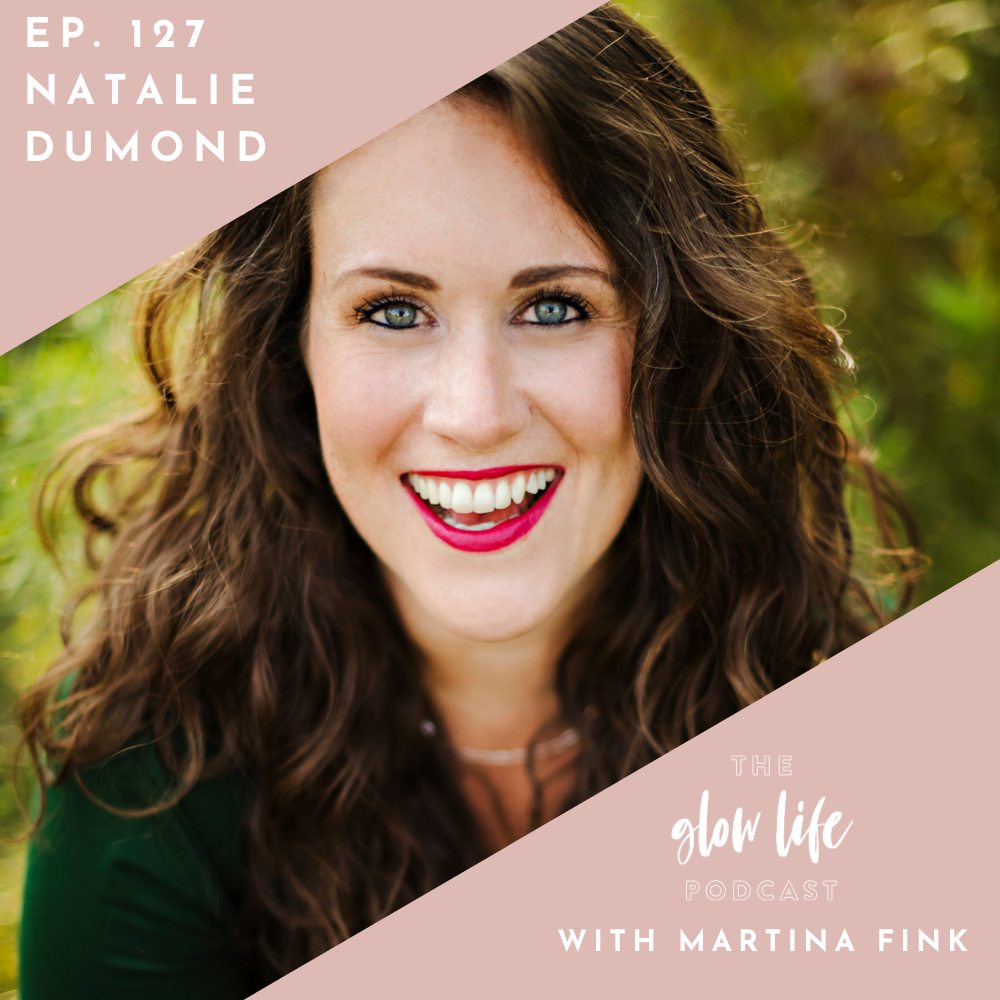
#127 Confidence, Emotions, and Courage with Natalie Dumond

 
Podcast Cover & Episode Square (1).png
 

Being vulnerable isn't easy. Showing your emotions isn't easy. Being courageous isn't easy. And being confident - not easy at all!

In this episode, I am talking to the powerhouse Certified Leadership Coach, Facilitator and Founder of The Worthy Project, Natalie Dumond, who empowers women to become more authentic, confident, and courageous in their lives and lead the lives with purpose they've always wanted.

Natalie's work got published with Dr. Brene Brown, and she trained with her personally.

IN TODAY’S EPISODE, WE TALK ABOUT

  • How to be confident and get the best job in the world

  • Why we should talk to instead of about each other and cultivate more empathy

  • How to be vulnerable and emotionally intelligent

  • How to have more courageous conversations

  • Why we judge other people - and hurt ourselves instead

And so much more! 

You can find the full show notes here:
martinafink.com/podcast/127

Have you downloaded the free Perfectionist Self-Care Bundle yet? Click here to access it:
martinafink.lpages.co/perfectionist-bundle

EPISODE RESOURCES

Alexi Panos on Instagram
Vanessa McDonald on Instagram and CourageCreator.com
The Untethered Soul - by Michael A. Singer
Untamed - by Glennon Doyle
Sign up for the 2021 New Year's Vision Mini Retreat here

CONNECT WITH NATALIE

Instagram
Facebook
LinkedIn
Website

TODAY’S EPISODE TRANSCRIBED:

Martina: This is episode number 127 with Natalie demand Welcome to the glow life podcast. The one and only place for ambitious, high achieving and perfectionist women like you who want to leave overwhelm behind. Turn self doubt into self confidence and learn to trust yourself again, so that you can work less fully love and accept yourself and live a fulfilled and glowing life.

Every week, I'll be giving you tips and inspiration on how to think less, feel more slow down and use your body and your daily habits to help you step up, level up and glow up in all areas of your life. This is not just about the big shifts, you can glow just a little more every single day.

Welcome to the global life podcast. My name is Martina Fink and today we're talking all things vulnerability, emotional intelligence and confidence. It's such a good episode. And I actually want to dive right into the glow tip before we get started with the conversation. And today what I want you to do today or this week is to look for the beauty in everything. Where can you see beauty? Is there a beautiful flower that you see? Is there snow outside that you see? Is there somebody beautiful smile that you get to experience? Is there a freshly Ireland t shirt whatever it is, focus on the beauty instead of on all the work that you should still get done or your to do list or checking Instagram or all of the things that we do to keep ourselves busy. shift your focus to something beautiful today.

And now I am so honored to introduce you to my beautiful friend, Natalie du monde who is a certified leadership coach facilitator and the founder of the worthy project. She empowers women to become more authentic, confident and courageous in their lives and lead the lives with purpose. They've always dreamed of her work God published with Dr. Bernie brown and Natalie also trained with her personally. In today's episode, we talk about how to be confident and get the best job in the world, aka what her and I are doing, why we should talk to each other instead of about each other and cultivate more empathy, how to be vulnerable and emotionally intelligent, how to have more courageous conversations, why we judge other people and how we hurt ourselves instead, and so much more. And you can find everything we talked about today in the show notes at martinafink.com/podcast/127.

Welcome, Natalie, I am so grateful to have you on the podcast today.

Natalie: Thank you for having me. I'm happy to be here.

Martina: So so many things that you're an expert on that I want to talk about with you today. Let's start with the worthy project. So that's all about connected to feeling worthy, I assume. Tell us everything about how you got to this point of creating this project. Awesome.

Natalie: Thank you. Yes. So the worthy project was an idea that came to me. In my first year of my business. As I was going around talking to different organizations and doing facilitation work, or I was coaching people or doing a speaking engagement. There was usually people waiting afterwards to talk about certain topics, how do I get more confidence? Or how do I set clear boundaries? Or how do I find my voice? And they were, you know, our purpose? What's my purpose? And how do I find fulfillment? So I was always staying back to answer these questions. And I just kind of noticed there was a, a need in the market for women to feel like they are enough that they're worthy enough, especially in their 20s and early 30s. And so that is what built the program. And I was like if I could help these women understand how powerful how impactful they are, so that they can go on and live the most fulfilled life earlier or sooner rather than later. That was it. So the worthy project was born from that.

Martina: So beautiful. And when you filled in the form for this podcast interview so I can prepare for it. What you said is, I still have the best job in the world. Can you tell me more about what specifically that means and what exactly you do in your job.

Natalie: So yeah, I still feel really honored every single day that I get up to do this. So I coach people one on one on particular areas that they want to thrive in, that they feel stuck so one to one coaching and I also get to do great facilitation. So I go to organizations. And I work with a lot of leaders, a lot of brand new leaders, and I coach them on two areas that I'm really passionate about. One is hard conversations and feedback. So showing people how to talk to each other rather than about each other. And then the other one is I teach about trust and forgiveness, because trust is so dynamic and fluid in organizations, and it can really go off side quite easily. And a lot of people aren't feel equipped to repair it. So I go in and do those facilitations.

And then I also have the big one, which is dare to lead by Dr. Bernie Brown. And that's a three day workshop that I also teach. So in that when we're teaching about vulnerability, we're teaching about empathy, shame, connection, belonging, diversity, inclusion, we're teaching about some of these big topics. And every single time whether I'm doing the smaller workshops, or the bigger one or doing coaching one, I want to watch the impact and see people shift and get this like, you know, holy shit moment. It's just the best feeling, watching them kind of, it's almost like there's a release for them. And they feel more grounded in who they are. And, and it just, I don't know, it's addictive, and it is just, it's so impactful. So why wouldn't I want to do that every single day? So yeah, luckiest person. Yeah, yeah,

Martina: I agree with you. And I mean, we do similar work, like very different, but similar kind of work somehow. And yesterday, I was on a call with somebody that I was able to help get so much clarity about something that has been with her for, I think, like triggering her for the past week. And she couldn't figure out what it was or why she was feeling a certain way. And just seeing how the light bulb goes off is like such a special moment.

Natalie: Totally like yesterday, same thing, I was talking with a particular client that had gone through a lot of life events recently. And the topic of I kept hearing her say, I will never forgive, I will never forgive. And we talked about what the topic of forgiveness means. Because I think a lot of people get forgiveness wrong. They think forgiveness is condoning another person's behavior. rather than letting go of the hope that anything could have been different than what it was we live in a should have coulda, woulda, right. And what we're saying is what the person did to you is not okay, it was probably cowardly. And it was manipulative, or was all of those things. But sitting in the he should have or she, you know, could have, if we do that, we get stuck in that toxic behavior. So just saying that one line to her, you can actually see her kind of just shift. And it was like, there it is. So yeah, it's incredibly powerful. When you just have those moments with your clients.

Martina: so powerful. I love to talk about something that you just mentioned before talk to each other instead of about each other than the women, the women I work with are usually in like high level positions somewhere in corporate, and there is so much going on between them and their co workers, them and their boss them and themselves. Like there is so much drama all the time. And they're usually not confident or courageous enough to have the conversation. So what happens is they come to me and we talk about these things. And usually I encourage them to have the conversation, like get them clarity about what they want to say and how they can say it so they can have the conversation.

But I can only imagine all the people that aren't working with us and like you know, aren't doing the work. They're investing and wasting so much energy talking about other people. And I will say I include myself how I used to be because I was like there was something I could complain about every single day, you know. And I didn't know that there was another option where I could have a really clear structure or plan of how I could have a conversation that is really hard. So how would you say or? Yeah, let's see what you have about that.

Natalie: So you want to know, like, how do you know how do you have hard conversations or what I would what advice I'd give to people if they needed to have one?

Martina:
Yeah, what advice would you give somebody who's like, who's a complainer and complains every day and doesn't move forward, but really wants to kind of let this leave this behind?

Natalie:
Well, you know, I just posted this on my Instagram feed from Alexi Panos and she had this great quote that said, you know, you have a choice basically every single day like if you you know, if you want to be offended, you can go out and find absolutely anything to go and be offended by. Or you can have the choice to let it go and move through it and heal from it. So you get to choose what person basically you want to be. Right and I just know when you're when you're caught up in that unhealed toxic,

you know, part of you it that's a heaviness, that's a burden that you were going to pick up every single day and walk around with. Why would you choose that? Right? So you can either choose to heal or you can choose to walk around being unhealed and Know when people are talking about other people, when I know when I hear judgment, like toxic judgment of putting a person down, that is coming from a place of your own insecurity, not them. Right. So, you know, what I teach a lot of my clients is to watch for this and other people and watch this in themselves.

So, there are two reasons why people are judging. They're judging in an area that one they feel insecure about. And two, they judge somebody that they perceive to be doing worse off in that particular area. So if I was insecure about the way that I looked, I and I wasn't healing that part of me. I would judge other people that I perceive to doing worse off in that area, because it gives me this pit of like, well, at least my life is not bad. I don't look that bad. I'm not doing that bad. And we can judge in all areas, right? parenting, career, money, marriages, friendships will judge wherever we're not feeling whole or secure. Because here's the one thing I know people that are grounded in who they are, and grounded in their own confidence. They have absolutely no reason to judge other people, because they feel good. All they want to do is build people up.

So when you're watching someone judge or tear someone down, or you're judging and tearing someone down, that's because you have a place to heal.

So that's what I say to those.

Martina: Those that does not mean, you never ever judge anybody. No,

Natalie: I do like, what what it needs to happen is I need to check into what's so now. What is triggering me, why does this bother?

Martina: Hmm.

Natalie: Right, rather than just being unconscious to it and then filling in, like, putting out toxins into the world? Yeah. Like, what does it like? So it gives me a hit of it, you know, to tear somebody else down? Okay? Why? Right? Why does that? You know, it doesn't mean that I'm not having hard conversations with people. It just means that I'm not talking about people behind their back. I'm not politicking. I'm not trying to tear anyone down. All I'm trying to do is build people up now and build myself up, like coming from that space, rather than where I was three years ago, or four years ago and corporate. Much better. Way better.

Martina: Yeah. And I think the thing around judgment, I read Debbie Bernstein's judgment, detox. And like, she starts the book off saying, like, I'm here writing this book judging myself, why am I even writing a book about judgment? You know, so I think it's something that we will always somehow do, or our brains are built a certain way to always find, look for the negative and for the danger and all of that. But at the same time, like you said, I think it's about becoming aware of, why am I experiencing this? Am I in the comparison? Am I in the fear? Am I in the insecurity? And if so, what can I do to move out of that?

Natalie: Right? Yeah. And and, you know, if you're feeling unhealed in a particular area, you're just like, Why am I always tearing down a woman for this? You know, parenting the way she parents or I don't know, the way she handles her job, or the way she looks at? Why am I doing this? Like, it feels good for a second, but it's not really that good. I don't want to be known as that person. That's not the legacy I want to leave behind. Yeah, you know, I think people need to really question that.

Martina: And then it's also the energy you send out, it's always going to come back to you. So this kind of jealous energy or, you know, this really negative, insecure, fearful energy is just gonna circle back to you like 100 100 fold, you know, so, yeah, and one of the things we talked about is be responsible for the energy that you put into the room,

Natalie: be responsible for your own energy. Right? So a lot of the time we don't, we're not conscious, we're not intentional. We're not like, how am I showing up.

Martina:
And one of the things you also talk a lot about a lot is vulnerability. And I feel like in today's world, it's very hard to know, how do I navigate that? There are people you know, crying on Instagram, there are people not sharing anything personal Instagram. So how do we find or not even just Instagram, even somebody has their own business or even in a normal corporate job where you, you know, how can you be vulnerable? in a way that is actually healthy?

Natalie:
Yeah. So vulnerability, by definition means uncertainty, risk and emotional exposure, uncertainty, risk and emotional exposure, like, I don't know many humans like that are always signing up for that because it feels so uncomfortable. But that's where the growth is, right. And the thing about vulnerability is a lot of us are avoiding vulnerability, because we think it's the it's the birthplace of like, embarrassment and sadness and grief and regret and humiliation and shame and those big experiences and they are, like vulnerability, like you can be vulnerable and those experiences are right there to happen. Absolutely. But the thing to also note about vulnerability is that's where love, joy, belonging, creativity also live to be vulnerable. In those It is also an experience. So

Martina: Yeah, because I feel like sometimes, it's also being shared, too, in order to get approval, or, you know, and, and it's not always about being of service to others.

Natalie:
Yeah, that's how I look at vulnerability is like, I'm going to be vulnerable, because I know that's where my growth is. So I sign up for vulnerability, I do it. And I know I'm going to be uncomfortable. But I know that I can always come through it. And then I get to choose based on my audience, which is going to have the better impact. Right, right. Like if I was running a workshop tomorrow and say, I got into a fight with my spouse today. And I hadn't emotionally process it, I'm not going to go into that workshop and just start talking about it. It's not the right audience, I haven't probably emotionally processed it. And I don't know if it hits where it needs to hit. So anyway, those are just some of the boundaries I put around it anyway.

Martina: Yeah. And also, as long as you haven't processed this, I always think how I share my stories is that I can only share it when I'm ready to receive whatever feedback and it's gonna leave me cold. Like, I won't be able to be triggered around it, because I'm still in the healing process. So then I feel like okay, now I'm ready to share. But yeah, it depends on the audience and kind of what you what you want to share. But I think it's important that we can still be vulnerable. And it doesn't mean that we have to show up, you know, crying in or like five minutes after the fight and tell the world what's going on and say, I'm just want to be vulnerable with you.

Natalie:
Yeah. Right. Because then are you doing it for validation? Are you doing like, what are you doing it for? Right? So, yeah, it's just knowing you're absolutely right, just know your audience? And can you be triggered by it still, because at the end of the day, the best way to build connection with people, is through storytelling. People want to see themselves through you and be like, I had that experience parenting to my kid lost their mind in the grocery store or whatever, right? They're just they want to see themselves through yours, as well. So, vulnerability, we all do vulnerability, we just either do it consciously, or we do it unconsciously. So I'm choosing to do it consciously. I love that.

Martina: And I would like to dig a little deeper into your experience, like outside of what you're teaching and understand better, you know, what were the challenges that you had to go through around vulnerability or finding your purpose or feeling courageous to have those conversations? What are some of the things that you really struggled with?

Natalie: So super shy kid growing up, and I still have those those moments today? Where I want to like I can feel like I just want to hide, especially in a larger group, where I don't know how to like if I'm not like Leaving the group, you know, I just have to kind of just show up, I will always usually still take the back, you know, the backseat and kind of observe. I'm a good observer. I'm gonna say and then and then I'm like, okay, maybe that's how I can interject. So I'm still always trying to figure out like, this sounds weird, but like play the room. I don't want to play the room, but it's just like, how can I fit into the room. So there's been that I remember one of my biggest breakdowns, one of the most vulnerable moments, I've had a lot was going through my coaching certification. Like I went into coaching, getting my certification, thinking, I'm going to get all these great tools, and I'll just be a good coach, a great coach. And what ended up happening is, when you go through certification, it ends up breaking you down. And you have to look at all of your Ross bots and your limitations and your, you know, savage, or the Gremlins or whatever. So I had a big breakdown moment in front of everyone publicly.

Martina:
What did that look like? Like, where are you?

Natalie: Yeah, so we were in this one of our sessions, and it was all about embodiment, right, getting into the body being playful, all of that, and that that's hard for me, right? Because sometimes I can get stuck up here. And so some people, my class, were really loving the playfulness, and getting, you know, embodiment. And everything in me kind of like, resisted and hated, the experience was like this look stupid, I'm not going to look that stupid, I'm not going over there and you know, rolling around on the ground, or being really expressive, or whatever they were doing, right. And it just felt awful.

So I remember, there was a, we were there for three days doing all this stuff. And I was really pushing. And I was always exhausted, because this was a stretch for me. And they had this line, they put this blue tape on the line, and everybody had to make like a declaration, and then step across it about like, what they had really, you know, achieved that weekend. And I was still hating the experience. I didn't want to declare anything, and I could just feel and they're like, okay, one minute, and then we're all going to do the thing. And I've been working with this partner in the room. And I could just feel the tears coming up. And I ran out of the room, I had to go so method in the Hyatt Hotel in Toronto, in the basement there and one of the conference rooms at the bathroom at the side, and I cried for like an hour, like ugly cry, I couldn't stop, one of the instructors came into the room. And she's like, and I'm like, I hit and everything just came out. So they eventually pulled me back into the room. And of course, I'm in a room of 25 coaches. So everybody cares about how I'm feeling and what I'm doing. And here I am being witnessed. And I want to be witness, I'm a shy, like, I was like, just everyone Leave me alone, but they wouldn't. And they called me up to the front of the room and they coached me live in front of there. And it was one of my biggest like, break down moments being witnessed that I'm thankful for. But man, it was tough. It was really vulnerable and raw. So and I just I got really that's the day that I got in touch with my, what I call the itty bitty shady committee. And I woke up to them, and I'm like, Oh my god, you've been driving the bus this whole time. That was a huge, horrible breakdown moment publicly.

Martina: And so interesting how we, when we get put to the push to the edge, all subconscious bullshit comes up. And it's Oh, it's a lot, usually.

Natalie: Totally. Right. And so yeah, like, you're gonna look stupid. People are gonna think you're weird. Like, whatever comes out, right? So you're just like, just stay small. Just play it safe. Just hide and it still happens to me. Absolutely. It does. I'm just more conscious of it now. But it'll probably be a work off for a while.

Martina: For sure. It's usually like a life's life's task to fulfill, you know?

Natalie:
Yeah, exactly. So, yeah, that was one of the probably the biggest, vulnerable moments for sure. And then I've had them in leadership too, and just, you know, mistakes there. But they're all they're all good learning opportunities.

Martina: And what was your biggest lesson from this experience?

Natalie: I think the biggest lesson for me was really getting in tune with what, what I was saying to myself internally, how was showing up where where was that narrative coming from? Like, I got fascinated, like when I woke up to, you know, whatever you want to call it, the saboteur or the Gremlin, you know, the roommate. When I woke up to the power it had on me, I got actually really fascinated with not only mine, but everybody else's, because I just think it's holding everybody back. So it was a huge lesson for me on how to deal with it, how to move through it, and just how to process it. Yeah, it

Martina: is really fascinating once you start to understand how it works and how you can break through. And then also it just shows up kind of everyday everywhere.

Natalie: You're like, Oh, yeah, totally does. And now I'm on to Like generational narratives, like because we show up, and then all of a sudden, you know, our parents or caregivers, they can condition us as well. So what are they saying to us about, you know, our finances or taking a risk? Or how we look or you know, just all of those if you actually get really curious about like, How did my parents talk about money? Right? How did my parents talk about a career or education? Or, you know, sexuality, or faith or any of those things? Why do I just adopt them? So I got now I'm getting really curious. With generational limitations or narratives. I think it's,

Martina: it's so interesting. I had a conversation with somebody yesterday about generational trauma and things that are passed on to the newer generations. And I realized, I don't know, are you familiar with the chakras? Yes. So the second chakra is the sacral chakra, which is where the womb space is, so where a baby grows, right, and that's the space of self worth space of trauma and relationships. So imagine, like a baby is growing in that space of your body, where you have all the trauma of your own life stored, and the losar self worth feelings, and all the relationship issues. And then that baby is in there for 910 months, it just energetically soaks it all up, right? And then you birth the baby into the world. And it's already kind of energetically pre programmed with all of that stuff. So I found that really fascinating.

Natalie: Yeah, they're doing more studies on that. Even just like, in the cell, like cellular, like watching some of the, when they look at Holocaust survivors, and after they survived, and they had children, and then you know, some of their children are coming into, you know, into the world with higher rates of anxiety, depression, and all of that, but they weren't part of the Holocaust. So what, you know, what kind of cells were passed on to them when their mothers were in that type of fear and trauma as well.
So they're doing studies about that as well. It's quite fascinating. So, like mind blowing, really,

Martina: if somebody has a dream of stepping out of corporate and no longer, you know, basically doing what you and I were doing before we had our own businesses, what would be your number one tip for them?

Natalie: You know, the funny I stayed up till 10, last night talking to somebody about this do is just start, like, just start something you got us it's the momentum, a lot of us get stuck in our heads of like, Where could go wrong? And in what could get in the way? So I think it's the only way you're going to know is by just starting right? And you probably say this is progress over perfection. You don't know until you start something but a lot of us get kind of held up on like, is this even is people are gonna like this. Is this a silly idea? Maybe there's too many people already out there doing this, like all of the errors that come up, like are there lots of coaches in the world?

Yes, there are a lot of coaches in the world right now. Are there a lot of people talking about confidence and all the stuff that I deal with worthiness, boundaries, voice there are, but there's nobody that's doing it the way that I am. Right? So it's just you have to look at it from a different perspective. And so for me, when I started, I started with my website. It was just it was a start. And then I started by telling people what I was thinking. And then people started talking to other people, they're like, hey, actually send me over here. And I just started, like, my business is different in two years, compared to where I started in March of 2019. is different. I didn't know what I didn't know, All I knew is I just needed to start.

So you know, stop getting like brainstorm. That's it, write down your ideas, get get them out on paper, see what you can see. And then from there, what's your next step? Is it going out and asking people in your network? what's possible? Is it building a website like I did? Can you start? I don't know, do you need to go to the bank and talk to somebody about your finances? It really just comes down to for me, you just have to start because you don't know what you don't know. And it'll just get the momentum going.

Martina: Yeah, and I know a lot of my perfectionist, they they have this fear of what if I start and then I cannot deliver 150% because they're all overachievers. Right. I think it's just really important. We can make up so many stories. And it is also completely okay to fail and to not do well and to try 157 times until it's quote unquote perfect, you know, for your own standards. But if you don't start with the first time, you will never get to the 100 and 57th time.

Natalie: It's just about like, you know, Vanessa MacDonald said this, to me, and I love this quote, it was like life is about living in the iteration. Right. So it's not about being perfect. So if we use my website, for example, when I started, I was like, you know, so still working in corporate and working at this at night, because I knew I was going to be making this transition. So this was my way of kind of like getting my thoughts down of like, who I served, what products I worked on like that. It kind of did that for me. And I worked on it, and what pictures and all this kind of stuff, and I was getting so wrapped up in like, like the spacing and the color you do in the morning, and I just hit launch.

And then I went on LinkedIn, and Instagram and Facebook, and I said, Hey, everybody here, you know, this is after I left corporate, I was still working on it. And finally I launched it. And what ended up happening is I got a lot of feedback from people a lot of positive feedback. And then a couple people were like, Hey, now there's a spelling mistake here. Or Hey, now, you might want to did it here. I was like, Okay, great. So I went a lot faster, with people giving me their insights that I did on my own. Yeah, I think I just have to constantly ask myself what's good enough? Because I'm going to learn in the iteration, I'm going to learn by launching, and then getting the feedback and then improving, launching, you know, getting feedback improving. So it's this process, there's not perfect, right? Like my website now, like, I need to update my website again. It does, I don't, I don't think it's okay, right now. But back then it was good enough, it got me what I needed to do. And it got the ball rolling. I just started. Love it, you have a dream, just literally start something.

Martina: Start something theater on

Natalie: momentum, go and go talk to somebody that will inspire you to move that might have some connections, build the website, go to the bank, whatever you need to do, but just start.

Martina: I think also having conversations is great that sometimes people say, you know, I actually have never talked about this, and it feels so scary to talk about it. But as you start talking about your dream it it starts forming itself. And it becomes more real than just a story in your mind. So I think having the conversations with whoever was the coach with your girlfriend with a partner, just is also a really great step,

Natalie: you know, and it's true, be and be conscious of who you're talking to talk to somebody that has done it before. That is a couple steps ahead of you. Right? You know that somebody that inspires you like and, and reach out to them? See if they'll have a 15 minute coffee chat with you on what's possible, where do they get their start? Because you want to be careful that you're not talking to people that have never done it. Because what could happen is they might project their insecurities or their fear onto you, which will just magnify your own. Right, so they will not start and they won't start right. So there's a lot of non starters out there. So if you're getting your advice from them, or people that had never done this dream, that might not be the right place for you to start the conversation.

Martina: Very good point. I want to know from you, what does living a glowing life mean to you? Personally, Natalie?

Natalie:
You know, I think it just is coming down to just being being yourself? For sure. And then for me, I don't know, it's being in service having an impact. Like nothing makes me feel better when I have created some kind of impact in another person's life for the positive.

Martina: Yeah. And it gives your life meaning.

Natalie:
Yeah, you know, like a lot of people come to you and I because they want to understand what's the purpose in life, and how do they feel fulfilled? And what I keep finding from myself and from what all the stuff I'm reading is your, your purpose comes from impacting and being in service to other people. Yeah, it's that giving when you have that, and it aligns to what you're passionate about. There's nothing better, it just feels so good. I couldn't agree more. One of the things we talked about in finding that purpose and finding that passion is it comes from your pain, your pain, you know, so things that have been painful for you. In Your Life. There's something there, there's a net, so ignoring that pain is not the right thing, but you've gotten that experience so you can help, you know, be in service to other people so that they never have to experience that pain again. Yes, something around that is really powerful when it comes to finding your purpose and your fulfillment. So anyway, that's what's the glowing light for me is creating impact and feeling like you're in you're in alignment with who you're supposed to be.

Martina: I love this so much. And do you have some non negotiable self care routine that you do regularly or every day? Definitely water like love, love cold water, so

Natalie: I drink a lot of that but self care, you know? Lately I've been working out the peloton has been an anchor for me this year, that bike. Oh my god, the best workouts. So that's been a huge anchor for me. And reading would probably be another form of self care for myself like a love a love a good book on deep right into untethered soul by Michael singer right now. It's blowing my mind I think it should be on everybody's like Christmas list or just should just be on everybody's nightstand. Should beautiful day for everybody. But yeah, so probably reading water and moving my body right now with the peloton.

Martina: Amazing. And so I have a couple of quick questions before we wrap up. Okay. What is your favorite quote?

Natalie: Well, this is an Oprah quote. Well, I've never it's not Oprah actually maybe was Maya Angelou. When you know better you do better.

Martina: Mm hmm. Beautiful. And besides the untethered soul that you're reading at the moment, is there any other book that you're you would 100% recommend to everybody? untamed Glennon Doyle, like another.

Natalie: Bible? Everybody must read this, especially women. So untamed, an untethered soul are the two books in 2020. For me,

Martina: yeah, that I have that on my nightstand too.

Natalie: It's beautiful. Yeah.

Martina: If there was one thing that you could take with you to a desert island, what would it be?

Natalie:
My, my family, like? Immediately, it was just my family, or does it need to be an object? Now? That's fine. Yeah, no, I take my family. They they're coming with me. I can't be with them. So I'm a mom of two boys, small boys. And then I got my hubby. So yeah, they're coming.

Martina: Beautiful. And what are three things that you are grateful for today, Natalie,

Natalie:
I'm definitely grateful for my health. And the strength of that I'm grateful. I'm just grateful to I think be born in this time and watching things shift and change right now. To be a woman in this time to be a coach in this time to have the education level that we do at this time to be living in this country that I live in. Like, I've just I'm grateful for all I feel like I've won the lottery, and what I stand in now. So that's kind of a bunch of things. But this timeframe I'm grateful for, and I am grateful for, yeah, my family and my dog sitting over there. So those connections are the most importantly, so nice.

Martina: Is there anything else you would like to share with our listeners today?

Natalie: You're all just amazing. You really are. If you ever doubt that just call me or Martina will remind you. But like, yeah, you're absolutely amazing. And I appreciate you giving me and Regina your time today. So thank you. Thank you, thank you, but never doubt how worthy you are. Because you're absolutely amazing.

Martina: I'm so beautiful and weak. I feel like this is a reminder, we cannot even get enough like somebody could tell us every day and we would still need to hear it every

Natalie: day to just remember. Sure. Yeah, we all have crappy days. We all have days where we doubt our capabilities or knowledge or all of that. And we feel lost sometimes. So if you ever get down that road, call us. Call us.

Martina: Love it. How can people find you online?

Natalie: Yeah, so I have my Instagram page with Natalie Dumont, all one word. And I'm also on Facebook with Natalie Diwan. And I have I pretty active on LinkedIn, that's where like to hang out as well. So you can find me there as Natalie Dumont

Martina: beautiful. And we will share all the links in the show notes so everybody can go connect with you. Thank you so much for coming onto the show today. Natalie, it was so great to chat with you. And I really just want to acknowledge you for the work that you are doing in the world specifically for women and specifically also in leadership. Because it's not the easiest place to be. Let's just say that. So it's great to see leaders like you be there and it's been so great to speak with you.

Natalie: Thank you so much. Martina loved it. Thank you. Thank you. Thank you everyone. Have a great day.

Martina: I am so fueled with confidence and that spark inside from the conversation with Natalie. I hope you enjoyed this conversation as well. If you loved it as well please subscribe to the glow life podcast and leave me a review. I would be so happy to see how you like it and so that you can inspire other people to see this podcast as well. For everything we mentioned in today's episode, you can go check out the show notes at martinafink.com/podcast/128.

I would love to connect with you on social media you can find me at Martina glows on Instagram and Facebook.

And if there's anyone in your life that you think could benefit from this episode and needs a little bit more confidence then please forward it to them. Right now. A little reminder that on January 23, I'm hosting a 2021 New Year's vision mini retreat online.

So if you have been wanting to set some solid goals and get inspired for this new year without feeling overwhelmed and like to have to do it the right way.

Go to The link in the show notes to sign up or go to my website Martina Fink calm to get more details about this mini retreat.

Thank you so much for being here today and for listening to our conversation.

I hope this inspires you to live in even more glowing life.

You deserve to feel healthy, confident, empowered, and beautiful.
-
Thank you so much for listening to this episode! I'd love to hear your thoughts in the comments below! If you can think of anyone in your life who could benefit from this episode, please share it with them right now! <3


FREE BUNDLE

The 3 Steps High Achieving Perfectionists Can Take
For A Healthier Work-Life Balance


These Are The 3 Elements Included In The Perfectionist Self-Care Bundle

01 Where Is Your Self-Care At?

With this quick assessment workbook, you will be able to detect where you're at with your self-care and what your next step is to improve the quality time you spend recharging yourself.

02 Why Is Self-Care Important for Perfectionists? And How Do I Start?

Self-care is key for a healthy work-life balance for high achievers. You work a lot and you're easily stressed, right? Get my top 6 tips to kickstart your self-care without feeling overwhelmed. Shift from "doing" to "being" and find peace in your busy life.

03 Full Body Stress-Release Meditation

Stress and overwhelm isn't jut in the mind. It also shows in your cells, your muscle tension, and your hormones. Relaxation start with releasing stress from the physical body. Take a moment to relax every single part of your body to get grounded again.

SEND IT TO ME!

DISCLAIMER

All material in this episode is provided for your information only and may not be construed as medical advice or instruction. No action or inaction should be taken based solely on the contents of this podcast episode. Instead, readers should consult appropriate health professionals on any matter relating to their health and well-being.

The information and opinions expressed here are believed to be accurate, based on the best judgement available to the speakers, and readers and listeners who fail to consult with appropriate health authorities assume the risk of any injuries. In addition, the information and opinions expressed here do not necessarily reflect the views of every contributor. The Company acknowledges occasional differences in opinion and welcomes the exchange of different viewpoints.

#125 Fashion That Fits Your Body Shape with Cricket Lee

 
6.png
 

Cricket Lee is an entrepreneur and inventor and CEO at BOTASCI, particularly noted for creating an apparel fitting solution that includes body shape applications and online data profile algorithms to enable women to buy online without try ons and costly returns. 

IN TODAY’S EPISODE, WE DISCUSS:

  • How the fashion industry fails inclusivity when it comes to body shapes and different ethnicities

  • Why BOTASCI can help reduce unnecessary returns and therefore the carbon footprint of the fashion industry

  • The history of shape and how fashion and body shapes changed over the last 100 years

And so much more! 

EPISODE RESOURCES

https://www.peacepilgrim.org
http://littleblackpant.com
Feeling is a Secret - by Neville Goddart
James Allen
Dr. Joe Dispenza

CONNECT WITH CRICKET

www.botasci.com
www.instagram.com/bota.sci/

TODAY’S EPISODE TRANSCRIBED:

This is episode number 125 with cricket Lee. Welcome to the Glow Life Podcast. The one and only place for ambitious, high achieving and perfectionist women like you who want to leave, overwhelm behind. Turn self doubt into self confidence. And learn to trust yourself again, so that you can work less fully love and accept yourself and live a fulfilled and glowing life. Every week, I'll be giving you tips and inspiration on how to think less, feel more slow down and use your body and your daily habits to help you step up, level up and glow up in all areas of your life. This is not just about the big shifts, you can blow just a little more every single day.

Welcome back to the Glow Life Podcast. so grateful to have you here with me today. I want to kick off this episode with a lot about the week. And since we are in this busy season of the year, which can be busy for a lot of people who have high level jobs that are really busy towards the end of the year. And it can also be very different than any other years before. Because we're still kind of in the middle of this weird 2020 experience, right.

So, wherever you are, however you are experiencing this month in 2020, I want you to take a break, and just breathe. Let's just do this together right now taken inhale and exhale. One more time, be present with yourself, inhale and exhale through your mouth. If you want to do it one more time, feel free to do so. It takes a few seconds. And it's so powerful.

So, how can you take more of these simple and quick little breaks in between your days to breathe, to be present with yourself to maybe take a look out of the window and where I'm at right now. It's all white. And it's so pretty. And I love looking outside and just yeah, I enjoy this beautiful peaceful light view. Snow, I love snow, It's so peaceful. How can you look outside of the window and watch the clouds pass by, or maybe you sit outside and soak in some sunshine for a few minutes.

So many people are not doing this. So many people are rushing through life. And I used to be one of those people too. You know, you can change. Things can change in your life. But it's important that we remain present because the present moment is the only moment we ever have. We are only living in the now we cannot live in the past. Our thoughts can for sure our thoughts can be in the past, they can also be in the present. I mean, in the future. They're rarely in the present, right. So this is a quick glow tip reminder to remain present to get present if you're not. And as simple as it sounds. It's sometimes so much harder than we may think.

Now, I'm really excited to share something that I have just published a couple days ago. It's a new workshop that is happening in January Saturday, January 23 2021. I'm hosting a 2021 New Year's vision mini retreat. This is an online event where you can join from wherever you are, I tried to make the time as possible for everybody to join wherever you are in the world. So check out the details in the show notes.

So, what we're going to do in this mini retreat is we're going to set really clear goals and intentions for the new year. We're gonna kick it off with the celebration party and setting intentions and then we're going to sit down and brainstorm. Start planning and figure out how can we prioritize ourselves in the new year, rather than just you know, having another year of working really hard being busy all the time, where time just flies by? I want you to intentionally go through this year, prioritizing yourself in every single area of your life. I will be sharing the tool that I've been using for several years with all of my clients around planning the new year and setting goals for the different areas of your life.

We're then going to do a visualization to get really clear with your inner eye with your subconscious about what it is that you want to magnetically attract. And there will be some journaling exercises for you to help you get clarity. And there will be time to ask questions and to share your experiences. And to get coaching from me. I'm really excited to bring this event to you. And it is happening again Saturday, January 23. You can sign up now with the link in the show notes. The early bird price is valid until December 31. And it's $97 instead of 197. So I really hope to see you there and to have some time together to get really ready for this new year without feeling frustrated that the year flies by and it will be 31st of December again.

And now let's get started with Cricket Lee. She is an entrepreneur and inventor and CEO of BOTASCI particularly noted for creating an apparel fitting solution that includes body shape applications, and online data profile algorithms to enable women to buy online without try-ons, and costly returns. In today's episode, we talk about how the fashion industry fails inclusivity when it comes to body shapes and different ethnicities, why BOTASCI can help reduce unnecessary returns and therefore the carbon footprint of the fashion industry, the history of shape and how fashion and body shapes changed over the last 100 years, and so much more. And you can find everything we talked about today in the show notes at martinafink.com/podcast/125.

Martina: Welcome crickets. I'm so excited to have you on the show today and talk to you about your brand BOTASCI.

Cricket: Well, hello, Martina and it's great to be here. I'm so honored to be part of your podcast. You really are. I feel like somebody that kind of lived lives in the zone that I do. So I'm excited to be talking to you today.

Martina: Yes, so you're the CEO of BOTASCI, which stands for body data science, which is a software that makes online shopping so much easier, because, you know, we send so many things back and forth because they don't fit us. Right. So online shopping is something that I really shy away from. Because it's so frustrating when you order and you have to bring it back to the post office. And so what has been your key motivator? Or like, what is why did you create this software?

Cricket: Well, I've been in fashion marketing and advertising for many years. And you know, my friends and I, we couldn't find anything to wear, of course, as you age, your body changes and so forth. So through all the trends of like low rise pants, and so forth. And, you know, if you're certain shapes, you just can't wear those kind of clothes. So it was just very frustrating as trends change. So I decided to solve it. And I started doing research many years ago, to see how to solve it. So it's, it's a real, it's a real passion to really get it done now, because the fashion industry is basically egocentric, meaning it is a it is a push consumer program, meaning we're gonna create it, we're gonna make it we're gonna design it, and then you buy it. And so it's more what not consumer centric from that perspective. Whereas what BOTASCI is, it's a consumer centric platform that makes it use your friend friendly for customers to buy clothes.

Martina: So maybe you need to explain how this exactly works, because I saw that you will have like different codes. So for example, I would have a specific code based on my body shape. And then I would go on to a brand's website and enter my code. And then will they then custom make things or will they have?

Cricket: No, it has different mass, meaning there will be a lot of product available, and all body types, but it's a totally opposite from today. Because the way everything's kind of grown up through the stores which have categories and like if you if you go sell clothing in certain departments that store so for example, they may have a category that's called missing, and that would be sizes, you know, like two through 16. And then you would go into a plus department and then that's 16 through w through 32 or whatever that is and then if you go into like the target you have to make us four through 24. So like every store has it's like mix.

So what they do is they have a bell curve that they make clothing from and then at the end of the day because everything's really siloed. Now, the day of an incline or Donna Karen, knowing everything about a product, customer marketing or distribution, everything that day is now changed into follows, meaning the designers here merchandisers here, the sourcing is here, the marketing is here, the finances here. So they don't, it's not really 360 inside these big silos anymore. So hard to affect anything from that perspective, but the way it really works is that a brand would adopt a particular body type segments. And then they would make clothing for that body type segment. And it's usually based, it's usually based ethnically how the shapes work, because if you cut the globe in half, and I learned this through studying, initially 60,000 women, and then we did over 300,000 transactions where we told you what to buy, and you bought what we told you, and then we made sure you had your fit.

So basically, you can cut the globe in half, over half of globe is really more Caucasian, Asian, light skin based, and that's mostly like a strike shape, you know, to an hourglass shape. And then the bottom half of the globe is more dark skin based. And that's basically smaller waist, and so forth. So those shapes have really not been present in the fashion industry before. So once you identify your shape, then you don't have to think about it anymore. Because the brands and manufacturers will make products that will fit you and your only looking at what fits you. Because ecommerce is, you know, I really created this for e commerce, I didn't really know it at the time. But really, it's where a designer in Singapore could make clothing for people around her or him. And it could be like a double 034. And it would be long waisted small busted square shoulder, you know, hyper hip carve regular torso and short legs. That's kind of a generic description of how an Asian body changes.

So the brands can pick whatever demographic they want, and make clothing for that demographic. And then the women that look at that, or man someday will only have to view what's going to fit them out of the box. So it's a totally different way of looking at how to make clothes, how to sell clothes, and how to keep the consumer happy. So once you've built your data profile, and we know your exact size and shape and configuration, then that profile stays with you. So any brand that licenses, the fit has licenses, the system has access to you through that profile. So you don't have to go into one store and go figure out your fit for each brand or have to go into another store online. It goes with you wherever you are. So that's one of the benefits we bring to the brands is that people already know they're fit or not, everybody's not guessing Well, how many size 10s? Do I need? You know, I have to pick it out online anymore. You just look at what fits you. It's a very disruptive concept.

Martina: Yeah, it kind of works the other way around, right? Instead of just producing clothing for like a very stereotype kind of body shape. And then kind of find people who fit in those clothes. It's like the other way around, we have the different shapes and ethnicities and you know, body types of people. And then based on that we will find the clothes, which makes so much more sense, especially now that we like you said the e commerce and online shopping especially now also in 2020, where we're not allowed to go out in many countries and cities and like we still need certain things right? So online shopping has become more and more popular. And also I remember in like March, right when we went into lockdown in Switzerland, we were like every everybody started buying online and the and the post offices and they were like overwhelmed with packages and everything was delayed. And so I think this is a great tool to also help reduce the amount of waste that is created in the world.

Cricket: While the global carbon footprint, these brands and retailers have signed agreements to clean up the waste by the year 2030. So they got to start looking outside the box of where they're doing things now. And you know the returns are $4 billion a year 65% of us will not buy because of the problems and fit online. It's just a huge issue with the industry in the three main problems we solve one is the returns problem we reduced returns about 75% which you can imagine what that would do for the bottom line profit for anybody that get adopted, we totally eliminate exterior returns, meaning you know, hello how some women, I don't know if you've ever done this, but two or three, pair it first to make sure you're going to get the fit, because you don't know which size is going to fit you. So we eliminate that totally.

And then the third thing is we have a predictive demand forecast model that we can, if a if a brand wants to target a particular demographic, we just say, Okay, here's a starting database that you can use to start building and anyway, so that's, that's the whole thing. It's totally it's it does, it kind of flips, everything about how everything's made. Because installed, because the designers and the brands are used to thinking about style first. And then oh, by the way, does it fit, that's 50% of the purchase decision is does it fit. So if if they now say let's figure out the fit First, let's design the products with that fit in mind. And then let's offer it to women that are that fit, then look how it changes the whole, the whole supply chain, and development and styling and so forth. Because some design, a lot of designers know how the industry really works, which actually to go into the history of that, of how that was developed?

Okay, so really fit and I can only speak to America, but I think America is kind of driven fashion worldwide, not not really to tour kind of fashion that really does come out of that, like France and Tokyo and so forth. But what happened here in the United States is they because mail order was coming together, the women used to either make their own clothing, our have Tyler make the club up until the 30s. And then the women went into the workforce, they had to come up with some solution for for readymade clothing. And so they started with like, the number 14 really meant 14 year old girl, because they really thought it would be the ones that would need a standard that adults wouldn't really need a standard because they all have tailors and they all make clothing.

So they measured women from the military, post rationing from World War Two, all Caucasian, all 25 year old, all set women, and they measured that group, and then they took those measurements in a bucket and averaged it out. Well, if you take all the shapes, and you average them out, you're going to get an hourglass shape. And an hourglass shape grows linearly. So they gain their weight evenly, top and bottom. Well, that's only about 20% of the global population. So that's where they standardize fit in our association. So you, we have to come up with a standard.

So 1952, they standardize that hourglass shape. And all of the things around it were standardized. So that fit models were all you know, you shall the 3624 35. Like that was how it was set up, which is still in place today. So even if a brand tries to adopt different ethnicities or different shapes, it's really they really don't have vehicles to do that with industry because of the fit model situation. So they might pattern or they might find a woman that has the shape that they want, but they use those old linear sizing rules. You know, if you see a pattern where they've got like, half an inch around the pattern, you're receiving a pattern. Well, that's how they do fit in the industry. Yeah, women like me, so I have a high up a hip turf, and my body when I gain weight, it's all in the middle. Yeah, okay. Just, you know, not because I'm protection, but part of that is being Caucasian or northern northern planet. And so my body grows that way, my legs don't really grow that much, but my middle grows.

So now, if you've got a big booty, and then your body is going to grow in your thighs and lower bottom. So it's a biological change that really happens. And so what I did was studied 60,000 women, with my team, and we discovered how the sizing should work as well as the shape. And so no matter who tries to emulate it or copy it, they can't really keep it because even though they reverse engineering, they can't hold it. Because they don't know how we're doing the fair because it's true innovation like so I'm only saying that because I've been doing this many years in fashion industry copies things that's just, I'm not bitching about it. I'm just saying you know, that's what happens.

So anyway, it's a it's pretty much a phenomenon, how it really works and women don't have to think about their their fit anymore. Once they've tried it. Try to solve my beta brands in December. I had a couple Concept logic and solve all that, really to replace the past and move forward with this new company, which is really an elevated science with more body shapes on the bottom, and top shapes, and then dresses, and then all of that. So, and I believe shape drives all of your purchase decisions around clothing. Like me, I'm a bigger woman, so I'm probably going to wear art, I do wear like chunky jewelry, because I'm artsy. And you'll never get to see me a little tiny in gold, because it wouldn't work on me.

So there is a lot of things that shapes drive, the cars you buy, you know, the kind of clothes you wear, and so forth. So anyway, that's kind of how the whole industry approached it. And so I've been working on this for 23 years actually started on HSN, with a body type application with the executive director of Ford Model, she had come up with this, she wrote this book and body types, and we merchandise the collection with nets, and put it on there for three years. And it really worked well. So after that I decided to see if I could find a way to put the fit part of it into the clothing. And I didn't realize how to throw out the whole book and start up. That's what I did. So tested in Nordstrom, Macy's on QVC, and then online. And then we started our own in house brand couple bought and sold like 250,000 pair, and a little over a year and discovered all of the online in the consumer, like the customer service pieces of it an online certification, I mean, the global certification of the product.

Martina: So interesting. And do you find with your research that generally body types have changed in the last century? Or have there always been the same kind of body types?

Cricket: Well, the body types have always existed, but the general population, and I'll just talk about the United States, because even though they're existed different populations, only a certain only certain ethnicities were really recognized. Does that make sense? though now, that latter part of last century, things started changing during the war, everything was rationed. So everybody was kind of the same size. So and women back in the 50s, they were dresses, you know, very rarely did you wear pants, you see Katharine Hepburn, she wore pants, but there were men's trousers, belts and plates. And though the shape really didn't matter, so when pants were starting to be brought into the marketplace, that's when the fit issue really started. And then right as far as diversity goes, you know, we became, over the years, we became so dependent on all of our mixers and vacuums. I mean, we we our whole lifestyle changed, we sit in front of a TV, we didn't go out so much and people work out, some people don't. But the whole lifestyle change. So as our lifestyles changed, we started gaining weight. Like I don't know if you know that 65% of women are oversize 12 in the US, and the average woman is 16 and five foot four,

Martina: And what would you say has been the biggest challenge in doing this work for you?

Cricket: I think probably industry mindset that designers have grown up with fit being a brand attribute. So I have my fitness brand has to fit this brand has to fit this fit back in the 70s and 80s. When Donna Karen have a fit kind of changed was in 1983, Ronald Reagan lifted the standards, which meant everybody can do their own fit whatever that was. And some of the designers started using themselves as fit models. And as they aged and grew, the production people were afraid to change the label is really what started happening. So it's just kind of an egocentric industry. It's like I have a consumer centric solution. But it's been hard to get them to think about it because even though returns are getting worse and worse and worse, it's just the way they think inside their box. Right? Yeah, big tech is supposed to go protect the fit, right?

And so I'd get the merchants, the merchants of the designers kind of love it. This is great. And then the fit temperature. I've got that handled. I'll do that. So the CFO is not going to tell the fitech when you show us this fit, you know, today, it's a whole different story. And I really never gave up because I knew someday it would be right but, but today, it's really needed because the industry is in such dire straits and retail is shifting the landscape is shifting rapidly, I think that I personally think the localized inventory model for fashion can't survive, because of the reasons right now, you know, there's a lot of issues around trying to enclose in the stores that don't even have a dressing room token. And then there's the fact that everybody's meeting online.

So whereas e commerce when I started my development, it was only 1% of apparel purchases. Today, it's like 50%, of pair purchase. Yeah. And it will be more so the online, they have to look at other solutions. Now, after I launched my first fit finder in on QVC, in 2005, I was on the air, I sell $700,000, with the pants in 14 minutes, it was phenomenal, six minutes early, and women just went crazy. I never tried on again. And so I tested but really, I didn't fit the pictures of the fashion industry. So because women like me, it wasn't really, you know, today might be more acceptable back then it wasn't acceptable for me to be a big, you know, from Texas, not from New York. Anyway, I'm gonna just say it like it is.

So anyway, the industry really has resisted the change to a universal fit. But we were voted as the best fitting gene in America on Good Morning America, in January this past January, because because of the way we do the online tool to find your fit, and then give you fit out of the box. So it really it's an idea, it's timeless. And now I'm starting to get retailers interested, because like I said, the whole environment is shifting from retail brick and mortar to online. So I'm hoping to take this system and put it into venues where people can, you know, look at samples or try things on and then have them drop shipped overnight from a centralized distribution center, like a regional central distribution center, instead of having the stores carry all that inventory, and the market down market down market down. And then dressing room overloads. And then it goes off to this whole chain of discounters, you know, and it gets closed out, and then it gets burned or thrown in the landfill.

Martina: Yeah. Which is a whole other story. So interesting. And so cool. I think with just with anything, you said, the industry is very resistant to this. And just with anything that is new, and that is kind of revolutionary, we always have resistance. So hopefully,

Cricket: that will be it's not a bad thing. It's just the way What do they say about the truth? First it's despised, then it's seen, then, you know, then it's accepted. And then it becomes the norm. And that's kind of the way this is this is the truth about the human body, how changes, and it's just now time for people to see that it really works. And you know that it's going to change their shopping experience they're making experience their production experience.

Martina: Yeah, that makes so much sense. Cool. So I have a couple of questions for you, personally. And the first one is, what does living a glowing life mean to you?

Cricket: Oh, well, I am. I've been working on myself for many, many years. I really work at shifting my consciousness every morning and every night, and meditating and moving into like nothingness. And it took me many years years, I really used to think meditating once, what do I want, you know, feeling the feelings of what I wanted. And it hasn't been until very recently that I realized that's not really it, what it is to totally blank your mind. And let your brain synapses Connect inside. And then everything, you know, is magical after that. So I think that a lot of you know of my journey I took personally, and that it was so hard for me to get here. So the day I'm accepting myself and allowing the universe to guide me instead of me trying to control everything. Control fridge. You being from Switzerland. Yeah, we got a little bit of that going on too.

Martina: Definitely. Definitely. Yeah, I understand that. So well. It's like the balance between Yeah, what do I desire? What do I want and how can I find like inner peace, and then also releasing the control and letting the universe take care of it like I call this co creation. So everything we do we co create with the universe, we do our part. And then the universe is its part. So I love this is beautiful.

Cricket: And it's so much better to just allow it all to be whenever it is, yeah. Oh my I wanted this or that it's like, let it let it all go. I've had some really violent, hostile takeovers, and actually, in the last four years, six years, I went through three of them. And finally, I just said, Okay, I surrender, and I just let it all go. And then it all came back brand new and fresh. And I still have my same team and I still have all the trade secrets in our heads. And we still have everything better than we ever had before, because we really learned everything you needed to learn. So it's been an interesting thing to just let the universe guide the external processes and make them all perfect. And that is, I think, to me is the probably the hardest job as human beings that we face is to just accept everything, totally as it comes and know that it's all perfect. Because the way we're trying does it.

Martina: Yeah. And it's also often doesn't feel perfect. So that's like, Okay, how am I going to accept this non perfect thing, or this disturbing thing, or this problem or this challenge, when, really, it just happens for a reason? So you said, you talked about meditation that you do every day? Is there anything else that you practice every day, in terms of like self care and taking care of yourself,

Cricket: I have some teachers online, I watch a lot. And even I found that their particular years of their teaching that I prefer, over later, you know, what I'm saying chicks or periods of time when they were connected in the flow and a great way that there's a lot of great books and, and things out there that kind of can help you learn about yourself. Somebody I've known for a long time is Joe dispenza. You know him. So he has a he says more theoretically, like his scientifically discipline, you know, disciplining yourself, to do the meditation and to do the work to allow your day to be perfect, like create your day to be perfect, right. So there's other people too, that I really love. And there's a lot of books back from during the years when Theosophy was big, I think the you know, James Allen and different writers, there's a book that I love called one of the best books ever.

Martina: Yeah, give me your favorite book.

Cricket: I think it's feeling as a sacred little short book, is by neville goddard. And it was done probably back in the 30s, or 40s. But it is just a book on the law and its operation, and how how the law, you know, of the universe works, which is, whatever you entertain in your mind, is in before you go to sleep. And when you get up in the morning, whenever you're entertaining, is what you're going to get. So what we tend to do is fall into all the bad stuff that happened during the day or, you know, or where we are with our relationships, or what's the problems or whatever. And it's, it's not so easy to to do that. But once you force yourself to move into that space, then the things that happen, don't feel violent anymore. Yeah, you know, the universe is just here it is, it's your drain, you got to know that whatever's coming to you is exactly your drain, you just can't look at it the way you might normally look at it. You just have to let it be whatever it is.

Martina: Yeah, I love that. We're gonna share the book in the show notes as well. So everyone can go check it out. What are three things that you are grateful for today?

Cricket: I'm grateful to understand my freedom in the cause and effect of my life. And that I'm only responsible for how I think and feel and the knowledge about that. That's the main thing is just knowing that that I'm perfect the way I am. Everything in my space is perfect because I created and so forth. I'm very thankful to have a beautiful family, my daughter, she's doing the business with me now, and I'm grateful to have her I'm grateful to have my boyfriend who looks after me and he's perfect for me because he's not clingy or needy or anything. He's like, okay, you want to go live in California go you know, it's like it's it's great to have relationships around me like that. So I'm grateful for that. And I'm grateful that I found my calling. And my I'll just call it my it's really my life's work website is the culmination of my life's life's work. Since I was young as a fashion designer, or aspiring fashion designer, moving into it, living into this, and how the universe gave me pictures and visions for the years, and that now, you know, like, My boyfriend is retiring, and he wants me to retire, like right now he's retiring in two ways. It's like, I want you to retire, like right now, I'm like, sorry, that I have to finish this.

Martina: a mission to accomplish!

Cricket: I have to get it in the market, I have to get Natasha, like, the team around her like, I'm working right now. So that she can, this is her legacy, you know, for me, I'm just thankful for all of that. And also saying, and I'm and I'm starting to sing again. So, you know, I think it's important for us to, to use our talents and express ourselves, yes. And not, like, squelch something because you don't think you have time for it? And that's what I've done for the year. So

Martina: yeah, I think too many women are or general, people in general, using the excuse, I don't have time, I don't have time for this, this and this. And like, yeah, we all have the same amount of time. It's just about how we use it. So is there anything else you want to share with my listeners today?

Cricket: I think that's right now, it's an age of personal independence combined with collective consciousness, like, moving yourself out of the norm and out of the mass consciousness and into into yourself and loving yourself. And then having that connects you to people like you like talking to you today. You are of like, mind, I can tell of how I feel about things and life and so forth. And so then you connect into your group, you know, your group of people, and you may may say, What is it you meet somebody for a lifetime are a, you know, for a little,

Martina: I think a reason or a season or a lifetime? Yeah,

Cricket: that's it. Okay. So yeah, and so you may meet somebody, and you hit it off with them, and you never see him again. Or you may end up being best friends with them forever, whenever, but it's still, you know, it's still like your crew. So anyway, I, I'm thankful to understand that I don't have to surrender to mass consciousness. And I get I get caught up like everybody else. People are spinning out videos here and there and sending me Oh, look at this, look at this, like, like, Oh, no, I'm sorry, I don't want to buy into that. That's, it's gonna be negative for my personal energy. Even Yeah, I may agree with it or not agree with or whatever. So I just try to now like, ignore everything that doesn't support my happy, joyful consciousness that I'm that I've worked so hard to create for myself.

Martina: Yeah, it's definitely important to have healthy boundaries around that overflow of information that is available today. So where can people find you online,

Cricket: they can go to Botha fi.com. And that's b o ta sdi.com. We otaa SDI Comm. And that's where my new program is. There's a lot of stories on my past endeavors, and the media and you can read about the whole journey. I've got kind of a timeline in my web, my website that talks about when I started, and all the way through media articles that came out during years as I was in development, so that the world can see, you know, you can have your dreams, but it doesn't always happen overnight. But you know, yeah, any pressure, I should go for their dreams. And I had this after 911, I was a marketing consultant, and I'm sitting in my living room floor, and I have a little girl to look after. And my husband and I had an agreement, excuse me with me, I paid for, for her issues with him. He paid for her. So there was never any child support.

So all my marketing went away. And I'm sitting in the middle of delivering for and I just said, Okay, what do I do now. And this little voice came and said, do what you love the money. And truly, I got up the next morning and I worked on a Cricket League brand. And I first started first started working with target, they let me do research inside their stores. And that's how I started discovering how I'm shocked. But they looked at how they bought according to age and so forth. So I'm just saying do what you love every day. And don't, don't ever worry about it. If you have to leave something that you're unhappy and to go after something that you really want to do because it really will work out. We're always taken care of. No matter what we always can find food. I don't know if you ever read about this woman she was called a peace pilgrim. And one day she was so fed up. She got out on the road and she started walking. And she just walked in. She just didn't take anything with her. She just left everything. And she would just meet people along the road that would look after her and she just decided out I'm just gonna go send peace to the world. So she always had food, she always had a place to sleep. It's like, you know, you're always taken care of. So you just don't ever have to worry about that.

Martina: Yeah, that's beautiful. Thank you so much. Thank you for being on the show today and for sharing your experience and your wisdom with us. I think it's amazing the software that you that you are creating, because it's hopefully going to solve a lot of problems for people who want to shop online, but then also for brands to just reduce the waste. And I think that's, yeah, definitely a very, very great invention that is so needed in the wild right now.

Cricket: So can I say for people to go sign up and help us? Like Join the movement? Like on our website? Of course, they can. We can keep them in touch with what's happening. And as we adopt friends, I'm talking to my first big retailer right now. I think he's gonna adopt it. So once I have one, it'll that'll change everything I think, but thank you.

Martina: Yes, of course.

Cricket: Well, I've loved this. This has been great talking to you. I have to stay in touch with you. You're just lovely.

Martina: Thank you. What a beautiful mission to be on to help women feel better in their clothes and have better shopping experiences online, and also while making a difference on the planet. If you enjoyed this episode, please subscribe to the podcast and I would be so happy if you left me a review about how you enjoyed the podcast. For everything we mentioned in today's episode, you can go check out the show notes at martinafink.com/podcast/125.

I would love to connect with you on social media you can find me at Martina glows on Facebook and on Instagram. And if there's anybody in your life that could really enjoy this episode today, please send it to them right now.

Thank you so much for being here today and for sharing and listening to our conversation.

I really hope this inspires you to live an even more glowing life.

You deserve to feel healthy, confident and powered and beautiful.

-

Thank you so much for listening to this episode! I'd love to hear your thoughts in the comments below! If you can think of anyone in your life who could benefit from this episode, please share it with them right now! <3


FREE BUNDLE

The 3 Steps High Achieving Perfectionists Can Take
For A Healthier Work-Life Balance


These Are The 3 Elements Included In The Perfectionist Self-Care Bundle

01 Where Is Your Self-Care At?

With this quick assessment workbook, you will be able to detect where you're at with your self-care and what your next step is to improve the quality time you spend recharging yourself.

02 Why Is Self-Care Important for Perfectionists? And How Do I Start?

Self-care is key for a healthy work-life balance for high achievers. You work a lot and you're easily stressed, right? Get my top 6 tips to kickstart your self-care without feeling overwhelmed. Shift from "doing" to "being" and find peace in your busy life.

03 Full Body Stress-Release Meditation

Stress and overwhelm isn't jut in the mind. It also shows in your cells, your muscle tension, and your hormones. Relaxation start with releasing stress from the physical body. Take a moment to relax every single part of your body to get grounded again.

SEND IT TO ME!

DISCLAIMER

All material in this episode is provided for your information only and may not be construed as medical advice or instruction. No action or inaction should be taken based solely on the contents of this podcast episode. Instead, readers should consult appropriate health professionals on any matter relating to their health and well-being.

The information and opinions expressed here are believed to be accurate, based on the best judgement available to the speakers, and readers and listeners who fail to consult with appropriate health authorities assume the risk of any injuries. In addition, the information and opinions expressed here do not necessarily reflect the views of every contributor. The Company acknowledges occasional differences in opinion and welcomes the exchange of different viewpoints.
#123 Channeling Divine Healing Through Music with Londrelle

 
#123_Cover.png
 

He struggled in college, contemplated suicide, and experienced a lot of trauma in his life. However, since a very young age, music never left him, even though at times, it felt like it did.

Londrelle is a Poet, a musician and an author who is here to serve others through his art and poetry. His music has inspired me since the beginning of 2020 and has touched my heart deeply in many ways.

IN TODAY’S EPISODE, WE DISCUSS:

  • Bad experiences in school, suicide, and run for justice

  • How music and spirituality saved him from taking his own life

  • How to have a healthy relationship with yourself and be self-luminous

  • Why your life is truly impactful with every person that you meet

  • How to be more present in the chaos

  • Why the practice is the goal

  • How to process trauma and heavy emotions

And so much more!

EPISODE RESOURCES

Check-out Perfectionist Rehab
Book a call with me to get all your questions answered about Rehab

CONNECT WITH LONDRELLE

Instagram.com/londrelle
Eternal Sunshine Website
Londrelle on iTunes
Londrelle on Spotify
Twitter
Facebook
Youtube
Eternal Sunshine App

Thank you so much for listening to this episode! I'd love to hear your thoughts in the comments below! If you can think of anyone in your life who could benefit from this episode, please share it with them right now! <3


FREE BUNDLE

The 3 Steps High Achieving Perfectionists Can Take
For A Healthier Work-Life Balance


These Are The 3 Elements Included In The Perfectionist Self-Care Bundle

01 Where Is Your Self-Care At?

With this quick assessment workbook, you will be able to detect where you're at with your self-care and what your next step is to improve the quality time you spend recharging yourself.

02 Why Is Self-Care Important for Perfectionists? And How Do I Start?

Self-care is key for a healthy work-life balance for high achievers. You work a lot and you're easily stressed, right? Get my top 6 tips to kickstart your self-care without feeling overwhelmed. Shift from "doing" to "being" and find peace in your busy life.

03 Full Body Stress-Release Meditation

Stress and overwhelm isn't jut in the mind. It also shows in your cells, your muscle tension, and your hormones. Relaxation start with releasing stress from the physical body. Take a moment to relax every single part of your body to get grounded again.

SEND IT TO ME!

DISCLAIMER

All material in this episode is provided for your information only and may not be construed as medical advice or instruction. No action or inaction should be taken based solely on the contents of this podcast episode. Instead, readers should consult appropriate health professionals on any matter relating to their health and well-being.

The information and opinions expressed here are believed to be accurate, based on the best judgement available to the speakers, and readers and listeners who fail to consult with appropriate health authorities assume the risk of any injuries. In addition, the information and opinions expressed here do not necessarily reflect the views of every contributor. The Company acknowledges occasional differences in opinion and welcomes the exchange of different viewpoints.


#122 You Don't Need To Do It All with Isabel Sacher

 
#122 Cover.png
 

She didn't go running for five years - and started again after joining Perfectionist Rehab. She learned how to say NO to more ideas and more projects and was able to improve her marriage, focus on what truly matters in her life, and now feels pure joy most of the time, because she learned to reconnect with her emotions!

Isabel Sacher is a business coach for creatives and has a podcast herself in German, the Fearless & Forward Podcast. She took Perfectionist Rehab a few months ago and her life has drastically changed since then.

IN TODAY’S EPISODE, WE DISCUSS:

  • How to say NO and stop taking on too much work

  • Why being successful doesn't mean you have to burn yourself out

  • How to have a beautiful relationship with your husband again

  • How to get rid of annoyance and reconnect with your body

  • Why you deserve to be your no. 1 priority

And so much more!

EPISODE RESOURCES

Check-out Perfectionist Rehab
Book a call with me to get all your questions answered about Rehab

CONNECT WITH ISABEL

isabelsacher.com
instagram.com/isabelsacher
Fearless & Forward Podcast

Thank you so much for listening to this episode! I'd love to hear your thoughts in the comments below! If you can think of anyone in your life who could benefit from this episode, please share it with them right now! <3


FREE BUNDLE

The 3 Steps High Achieving Perfectionists Can Take
For A Healthier Work-Life Balance


These Are The 3 Elements Included In The Perfectionist Self-Care Bundle

01 Where Is Your Self-Care At?

With this quick assessment workbook, you will be able to detect where you're at with your self-care and what your next step is to improve the quality time you spend recharging yourself.

02 Why Is Self-Care Important for Perfectionists? And How Do I Start?

Self-care is key for a healthy work-life balance for high achievers. You work a lot and you're easily stressed, right? Get my top 6 tips to kickstart your self-care without feeling overwhelmed. Shift from "doing" to "being" and find peace in your busy life.

03 Full Body Stress-Release Meditation

Stress and overwhelm isn't jut in the mind. It also shows in your cells, your muscle tension, and your hormones. Relaxation start with releasing stress from the physical body. Take a moment to relax every single part of your body to get grounded again.

SEND IT TO ME!

DISCLAIMER

All material in this episode is provided for your information only and may not be construed as medical advice or instruction. No action or inaction should be taken based solely on the contents of this podcast episode. Instead, readers should consult appropriate health professionals on any matter relating to their health and well-being.

The information and opinions expressed here are believed to be accurate, based on the best judgement available to the speakers, and readers and listeners who fail to consult with appropriate health authorities assume the risk of any injuries. In addition, the information and opinions expressed here do not necessarily reflect the views of every contributor. The Company acknowledges occasional differences in opinion and welcomes the exchange of different viewpoints.
#121 Healing Lupus, Quitting Your Job, and Becoming The Star of Your Own Show with Floriane Letulle

 
Podcast Cover.png
 

This episode is particularly for you if you feel like you are "different" from other people and that just nobody gets you. Maybe you've been told you can't have what you want, your disease is incurable, or to shrink your desires. One article changed everything for Floriane. Keep listening.

As a young woman, Floriane Letulle was diagnosed with a chronic illness, and doctors told her she would never be able to have children. Since then, she has been able to lose 20 kilos, reverse and heal her disease, become a mother against the odds, and leave her high paid, but stressful and unfulfilling corporate job to start her own business.

Today, Floriane Letulle is a global speaker and self-love & empowerment teacher who specializes in helping women become the “Star of their own Show”. Floriane works with women to transform mindsets, behavioral patterns and habits to create stunning results. From quitting sugar addictions to becoming powerful entrepreneurs, making braver, faster choices, and finding their voice, she helps women take ownership of their lives.

IN TODAY’S EPISODE, WE DISCUSS:

  • How one article about mindfulness changed her 8-year long journey of taking medication

  • How she healed Lupus naturally through mindfulness and functional medicine

  • Why you shouldn't work and live for your vacation and start to see the flowers again

  • How to become the star of your own show

  • How slowing down and taking risks gets you closer to a life that feels alive and vibrant

And so much more!

EPISODE RESOURCES

Signup for the FREE 5-day Perfectionist Detox
Access Floriane's Free Training
Star of the Show Coaching Program

CONNECT WITH FLORIANE

florianeletulle.com/
instagram.com/floriane.letulle
facebook.com/florianeletulle

TODAY’S EPISODE TRANSCRIBED:

This is episode number 121 with Floriane Letulle.

Welcome to the Glow Life Podcast, the one and only place for ambitious, high achieving and perfectionist women like you, who want to leave overwhelm behind, turn self doubt into self confidence and learn to trust yourself again, so that you can work less, fully love and accept yourself, and live a fulfilled and glowing life.

Every week, I'll be giving you tips and inspiration on how to think less, feel more, slow down, and use your body and your daily habits to help you step up, level up and glow up in all areas of your life. This is not just about the big shifts, you can glow just a little more every single day.

Welcome back to the Glow Life Podcast. This week, we're first talking about what's happening in our community. And that is the Perfectionist Detox. So as you're listening, we have already started, we're on day two of the Perfectionist Detox, today on Tuesday. And what this is, it's a five day mental detox for ambitious women to declutter the overwhelm, the stress, and to really get a clear mind to move forward towards the end of the year.

So if you haven't joined yet, we're sharing the link in the show notes below. So you can go sign up and join us in the Facebook group, we're doing daily classes in the evening, European time, and we're also giving away some gifts, that you can win when you show up for yourself every day, throughout this detox. And so what we're going to detox is not necessarily your food, or sugar, or processed foods, or you're not going to drink detox teas, or anything like that. We're really talking about the mental clutter that we are carrying around with us, which has been quite a lot. Let's be honest, right?

So in the five days, what we're talking about is detoxing your schedule. So maybe you're somebody who over schedules yourself every single week, maybe you are obsessed with controlling, and color coding your calendar. We're talking about detoxing your control, where in your life are you controlling your husband, your co workers, your boss, maybe sometimes, the things that are often out of your control, really, but you can still get really obsessed with that control piece, right? We're also talking about detoxing your emotions, I feel like this is a big one for what is going on in the world right now, and getting to a place where we can have more acceptance, and be more present with ourselves, and with what is happening in our hearts and how we feel, rather than avoiding the emotions.

We're approaching the end of the year, which is usually a really stressful time for many people. And I want you to be able to look back and feel "Yes, I have accomplished something. I am feeling great. I am not ending the year stressed." Yeah? And so stress is another thing we're detoxing this week, and also the Superwoman syndrome, the thing that you believe you have to have it all figured out and you need to be at 100% at work, and your family life, and your relationship with your children, with your parents, etc. etc. It doesn't really work like that, we all have limited resources available.

So, if you're ready to release all of that stuff, the overwhelm, the stress, if you want to release the judgment you have to work yourself and really start into November and December in, with this new energy that feels more, you know, light, that feels grounded, that feels inspired about what is to come even though we have so many things and we don't know what is going to happen, and, really just get back into the driver's seat of your life. Then go to the show notes and check out the link so you can sign up for the Perfectionist Detox. Even though we have already started, you can catch up, and you can still enter to win a 1:1 intuitive reading with me. You will also be able to win a Brave Journal from Vanessa who was on the podcast, I think Episode 119, two shows ago and you will also be able to win my Self Help Journal, which is something I just brought out and I haven't even put it up for sale yet.

So, Glow Tip of the Week for you beautiful is to own where you are, in order to even get to a point where you can detox, and declutter, and release the pressure that you put on yourself, you first need to really own where you are, you need to become aware of the situation you're in, of how you're feeling, and acknowledge that this is what it is. I am feeling really frustrated right now. I am feeling really overwhelmed right now. I am feeling really out of control right now. I'm feeling like I am the victim everywhere, whatever it is, that is coming up for you, we have to own it first. As long as you are in the victim situation, you're not going to be able to change it, you have to get out of that and the first step to that is always to become aware of where you're at and accepting it, without judgment. There's no right or wrong about it. It is just what it is. Okay, whatever that means to you, become present about the situation, the emotions, the mental state you're in right now. And the first step is always to become aware.

If you have already joined the Detox, come on over into the Facebook group and share where you're at right now, if you're listening to this. And now, let's get started with Floriane Letulle. This episode is particularly for you if you feel like you are different from other people, and that nobody gets you, maybe you've been told that you can't have what you want, your disease is incurable, or people have been telling you to shrink your desires. One article changed everything for Floriane. So keep listening, because as a young woman, Floriane led to was diagnosed with a chronic illness, and doctors told her she would never be able to have children. Since then, she has been able to lose 20 kilos, reverse and heal her disease, become a mother against the odds and leave her high paid but stressful and unfulfilling corporate job to start her own business.

Today, Floriane is a global speaker and self love and empowerment teacher who specializes in helping women become the star of their own show. Floriane works with women to transform mindset, behavioral patterns, and habits to create stunning results. From quitting sugar addictions to becoming powerful entrepreneurs making braver, faster choices and finding their voice. She helps women take ownership of their lives.

In today's episode, we talk about how one article about mindfulness changed the eight year long journey of taking medication, how she healed lupus naturally through mindfulness and functional medicine, why you shouldn't work and live for your vacation and start to see the flowers again, how to become the star of your own show, how slowing down and taking risks gets you closer to a life that feels alive and vibrant, and so much more. And you can find everything we talked about in the show notes at MartinaFink.com/podcast/121.

Martina: Welcome, Floriane. I'm so excited to have someone Swiss on my podcast today.

Floriane: Hi, thank you, Martina. I actually am not Swiss. I live in Switzerland, where I'm from, I come from the south of France.

Martina: But how long have you lived in Switzerland?

Floriane: I've been here for 10 years.

Martina: Okay, you're kind of Swiss then.

Floriane: I get the Swiss, I get the Swiss and I get the French Swiss way of talking, yeah.

Martina: Yeah, it's a little different, so interesting. Well, first of all, one of the stories that you share is that you, many years ago, you got diagnosed with an autoimmune disease, and you basically, were told that you would never be able to have children. And, you basically didn't just believe what people told you and you went on your own journey, and healed your autoimmune disease. And now, you even have a child. How, how did all that happen? Tell us everything about the backstory of that.

Floriane: Yeah, so you're quite right, I managed to heal myself from the autoimmune disease of lupus, which is a serious disease, I can attack all the organs and be fatal. I was told, I will not be able to have children and that my life would probably be spent in a wheelchair, at the age of 19. So that was quite tough. I did not react straightaway and did not go on a healing journey straightaway. I started with following treatment, taking a very horrible medication that could make me go blind. As this is the way I thought I was going to heal myself because at the time when I was 19. I just believe what doctor said. And I took whatever I was given because I wanted to save myself. And so I took this medicine for almost 10 years.

And, what changed everything was one article that I read in a magazine about mindfulness. And I read the article and I thought, hmm, there's something there for me. And I had never heard of mindfulness, mindfulness was unheard of in the French speaking world at the time. So I went on Google, and I typed mindfulness Örebro, where I'm where I'm located in Switzerland. And they were opening a training in mindfulness.

So I enrolled, I did my eight week training in mindfulness. And after the eight week training, this is when things started to shift for me, where I started to notice everything that I was eating, that I was putting in my mouth, I was putting on my body. And I could not physically take those pills anymore, I just could not, I just, I was too aware of each pill that I was taking every day could make me go blind. Because I was focusing on the blindness. I was, you know, I didn't know anything about manifestation thing at the time, but I could feel that I was going to cause provoke, you know, lose my highest eyesight, because I was just so aware of it.

So anyway, I stopped taking those pills. And I had to go on Google, our bit of Google and I just started typing things know how to heal myself from lupus. And I started finding a lot of articles around nutrition, the beginning of what we hear functional medicine today. And this was like a whole new world opening to me, just in front of me. And I started, it just made so much sense. And I started reading more and more stories, and applying those things pretty quickly. And I already started noticing effects, you know, I kind of cut out gluten, dairy, sugar completely. And I started noticing straightaway, I lost weight, but also I had no longer pains in my joints, my skin cleared. And I just felt so much better. I felt lighter, I felt happier. And this was the you know, I kind of summed it up. But this was basically how it happened.

This mind from mindfulness training, where I actually thought nothing happened and was eight weeks I was quite bored. But afterwards, it all kind of clicked. And I just got I was born again really is a new world open up to me. I started researching and I trained myself in nutrition because I wanted to know more about this. Yeah, it has inspired me to change my life completely from my health has actually been the turning point to transform my life completely, my career, my relationship, the way I see life. It just brought me back to the way I was when I was a child. That's how I see it now.

Martina: I always tell my clients and the women I work with are usually very high achievers, and you know, perfectionist and work a lot of hours and don't prioritize themselves. And I always tell them, you know, when you lose your health, you have nothing left, like, nothing. The only thing that's that's with us, from birth to death basically, is our body. Everything else that like comes and goes, people come and go, clothes, objects, you know, material things that come and go, but the only thing you really have until you die is your body.

And that's why it's so important to take care of it every day and how interesting that this kind of started with a mindfulness training where you really just, all you did was probably training your mind to become aware of what is, what am I feeling, what I'm not feeling. And a comparison that I love in medicine, is that, Western medicine sees the body as a machine. So let's say you know you break your arm so we're going to fix the arm, break your leg, we're going to fix the leg and Eastern medicine looks at the body more like a garden. Yeah, so Okay, there's something wrong in the blood circulation, what can we do, to bring things back in flow? And there, you know, there's nothing wrong with either of the two, like Western medicine is very helpful for very acute, usually illnesses and diseases. But for chronic things, it is not usually the best approach. And I think we also, people who are suffering from chronic illness is like, you were basically like a robot walking through life, right? You have no sensations, you have no awareness.

Floriane: This is, this is exactly what I say. And one example that I like to give, and that is so obviously, that illustrates exactly what you've just said. I was a robot because when I awakened again, I discovered the blossoming of spring. And I remember I mean I've told this story many times, people listen to, you know, my story in the different media. But I remember telling my partner after the mindfulness training in spring, "do flowers go on tree every year, every spring like this? because I don't remember seeing this." And he was like, "of course they do, like, where have you been?" Well, I was on Earth but I wasn't on Earth, I was somewhere in my head. And that was, that was just amazing. And I remember, I started doing yoga at the time. And I remember walking from my house to the yoga studio, which was about 20 minutes walk. And I refuse to take the bus. And I would just look around the trees, wood, stone, and I'd be like, "oh, my God, this is heaven on earth. How did I miss all this?" So, yeah, so more than healing my my health, I just held my whole life. It's just, it was, it was a very powerful trigger. And I, I've said many times, I am so grateful for this health condition. Because it has brought me here, it has brought me back to life.

Martina: Wow, it's impressive. I think so many people walk through life not noticing the flowers and the trees, which is so sad. And I think if we can connect it to what's currently happening in the world, with like, the pandemic, and all the crazy things going on, people are still hoping and kind of rushing through life waiting for when this is over. When like, even now there are flowers, you know, sunflowers are up now. And we can continue to to function as robots right now too, when things get difficult and uncomfortable. But, we can also be mindful now, what a beautiful example.

Floriane: Yeah, and so many people are awakening now. And that's beautiful to see.

Martina: Yes.

Floriane: Yeah.

Martina: It gives me goosebumps, all over.

So what happened next? After you healed yourself, and you kind of restarted your life?

Floriane: So what happened next, it was kind of, it's kind of next, but it's kind of in the middle of it, I quit my job. And I was in a corporate job working in pharma. And funnily enough, they were doing research on lupus. And it wasn't, it wasn't something they talked about much because it didn't really, wouldn't bring much money. But I had access to some documents. And I went, look, and I was like, Yeah, they're not gonna do anything for me. Like, it kind of comforted me like on my journey. And also, I just, the excitement and the aliveness that I felt when I was discovering those flowers again, I wanted to feel everyday, not just when I walk to yoga, yeah, I didn't want to go into a job when I was just waiting for five o'clock, that will bring me a lot of money every month enough to just, you know, buy a plane ticket to go to Thailand or Bali, just like that but only a few weeks a year, I wanted to be happy and fulfilled and excited, every day of the year.

So I quit my job, in corporate and from pharmaceutical industry. And from there, I went on a, on a deeper soul searching journey. Quite quickly, I, I just reconnected to who I was, who I used to be before. I was kind of dragged, somewhere I didn't belong, you know, I just reconnected to what I was like, as a child. I was so creative, I was full of magic. So, so, so creative. And I love people. I love listening to people's stories. I used to create my own magazines, you know, and everything I do now is like, you know, I blog and all that is, it's me, grown up, but I'm still you know, the child inside of me is alive. Yeah, this is just amazing. This is a, this is what I wish for everyone, really.

Martina: Yeah, it's so funny to watch your videos and IGTV sometimes, like you're just so playful and silly. And yeah, so many people forget to be that way, to have this playfulness to have this creativity. It's almost like, turned off. And I observe it, I live in an area in a neighborhood with lots of children. And they're now going to school. I mean, they were forced to stay at home due to the pandemic. And I saw how much they were playing like dads were playing with their children. And it was so beautiful to observe. And then, now they're back in school. And I just feel like where's the playfulness? Where is the fun? Like they barely, are outside. I'm like, Where are they? You know?

Floriane: Yeah, I know. I know. And it's funny because here in Örebro, they're starting school in a few days and I was talking to a friend of mine whose kids going back to school, because my son is too young to go to school, but he's not going to school anymore, I'm gonna homeschool. And he said is crazy because just a few days before school, so it hasn't started yet. And she can already see, in way behaving, a shift because they know, you know, they've been to school before. So they know and they already like conditioning themselves back into what is expected of them. It's crazy.

Martina: Yeah, it's intense to observe and it's almost like what am I gonna do different with my children? Because we can't unfortunately, we can't change the education system so quickly. Like, if it was possible with the click of a button, we totally would.

Floriane: Yeah, my son is three and a half. So technically, I would have time to consider you know, what I want to do with him? And to begin with I thought I would put him in an alternative school, but we have decided my husband to try anyway homeschooling, so wild schooling, free schooling, free spirit, and just let him be, and explore and just, you know, like, we talked about intuitive eating well, intuitive playing, intuitive living, what, where is it naturally going to go towards? And I'm really excited to, to embark on this journey with him. So let's see, it's definitely a challenge because I was not brought into this, my partner was brought, you know, in a very strict British private school so let's see how we manage as parents, but to me, today, with what I know is, is the right path for our family.

Martina: Interesting. I'm curious to see how it goes, for sure. And so you talk a lot about being the star of your own show. Can you tell us more what exactly that means?

Floriane: Being the star of your own show is being completely free, to be yourself, to be as quiet or as extravagant as you want to be. To live from a place of courage and mastery, it's about making a decision every day, to be the highest self, to have the courage to be your highest self, because being your higher self is not easy every day, to make the decisions that are so exciting. And in the intro before we recorded, you mentioned, energetic leaps and it is linked to that, it's about making energetic leaps, so that we as star of the show, in the high and, powerful energy, I was going to say at all time, but most of the time, because we're humans, and we still have, you know, experience, emotions that bring us down, which are useful anyway to flourish again. But it's basically that, it's, it's being yourself all the way. I like to use the word authentic, but it's used so much. And I like to add, you know, being authentically raw, like us, human pure.

Martina: Well, it actually sounds like you used to be someone that very much aligns with the people that I work with, in being you know, a robot in a corporate company, pretty big, successful company, you know, pretty successful job, making the money. And then, what I hear from my clients a lot is like, when you said, you know, "be free to be yourself," I feel like most people don't even know what it means to be themselves because they are put into a box, they go to work, then they put on the hat of whatever position they have. And then they meet with the parents, they put on another hat, and then they meet with the husband or partner, put on another hat, meet with friends put on another hat, and they're not really themselves. And so, I often get the question, well, well, who am I, like, what does it even mean to be myself? What would you tell someone who is on that search for themselves? What could be like a simple first step to kind of discover again, who you are.

Floriane: I've actually just launched a program. It's only in French at the moment, which is called Born a Star. And it's, it takes people through our, it's a three week program where it takes people day to everyday to a new part of them themselves, and it shows them who they are and how they can express it. If you don't go through Born A star which is a three week program, if you know, to answer your question, it's about second guessing yourself. I would like to invite your audience to second guess themselves. Consciously know we often say "Oh, don't second guess yourself, trust yourself." But to second, second guess, your decisions and your choices in a very warm and kind way and asking yourself, is this really what I want? Is this really what I want to answer to my colleague? Is this really the project that I want to take on board? Can I actually, is this project going to be too much? You know, because we tend to say yes, yes, yes, yes to the promotion to, I don't know, depends where your, yeah your cooperate, you know, collaboration on projects, or we want to be liked by colleagues.

So, we tend to shrink. And just starting with the intention of every day, when you say yes to a colleague, asking yourself, was this actually a yes? Or was it a no? It can also be at the cafeteria, if you eat lunch at work. Why did I put what I put on my plate? Is it to show my colleagues that I'm healthy? Was it really what I wanted to eat? It can start in the morning before you go to work? Why did I choose this cloths? Is it to fit in the team was a really because I feel solid showing those girls, and just starting to notice those everyday decision. Are they really, authentically raw? Are they really representative of who I am? Do they make me feel happy? Do they make me feel seen and heard in an authentic way? Or am I just putting on a show? Not a real show but a fake one.

Martina: Not the star of the show, kind of show.

I think I do want to tie back to you were saying, you know, consciously second guessed yourself, and how we always say trust yourself, I think, I think it is the same thing. But most people don't know what it actually means to trust themselves. Because they're so disconnected from the gut feeling or from the heart, you know, because there's so much in their mind, and they just think, oh, oh, so most people in my community they're, they probably make lists for what is yes and what is no and like, then based on where they have more answers, they're going to choose. So it's a very logical kind of decision and it sounds like the conscious second guessing yourself is more of like an intuitive way of actually just being mindful as well.

Floriane: Yeah, it's an intuitive way. It's a visceral, you know, response. And it's, it's always the idea is always to leave you feeling on a high, you know, highest energy. Feeling are you actually honoring yourself, and you're not shrinking? Is this decision making, you know, make me feel like I'm expanding? My heart is expanding, or is it shrinking?

Martina: Yes. And so along your journey, you obviously have learned a lot of things, but what would you say has been the biggest lesson that you've learned?

Floriane: The first thing that comes to me, I mean, there's so many lessons, but first thing that comes to me is, slow down. Because I think slowing down is actually normal. Life is normal living is slowing down. And when we slow down, the only way we can listen to that voice to that intuition, to the whispers of the heart is when we slow down and zoom it doesn't mean we can't run or we can't dance energetically because we can be you know, moving our body fast for being there in the moment slowing down within us in a movement, slowing down has been humming has changed my life. You know, as we mentioned with mindfulness.

The other the other thing that I would like to mention is taking risks. I wouldn't be where I am today, if I didn't take risk with my health. You know, I I stopped to Spelman. When I told my rheumatologist he was like, "no way you cannot be doing this." And I was like, "Yes, I am doing this." So, I am not obviously telling your community that they should, if they are on any medication that they should stop, it needs to be comes from the heart. But to take risks, I took risk with my health, I took risk in my career, I took risk within my business, I took risk when I said yes, to being on stage, you know, taking risk is where life happens. You know, we hear so much about being in the comfort zone. And sometimes I feel like blah, blah, blah, no, it's just like all these things we hear. But, this is my experience and this is experience of my clients. It is when we you go in the zone of risk. What if that magic happens? This is where true shifts occur. So yeah, that's the two things that come to me right now. I mean, obviously I can I could go on forever, but slowing down and taking a risk and risks are dictated by the heart. Because when you slow down you can hear the whispers of the heart that take you to those risks to the scary things that bring you back to life.

Martina: Yes, and I would also add, scary but exciting like, it's sometimes it's that feeling we really want something, of course we're scared because we've never done this before but it's usually when we have this feeling of something really, you know, it makes your heart beat faster out of excitement, then it's definitely a risk that's probably worth taking.

So in my community, we talk a lot about the glow, glow is everything. And it's something that I believe comes from within and without too, but I believe everyone can live a glowing life in their own way. And I would love to know what living a glowing life means to you personally.

Floriane: To me personally, living a glowing life is following your heart callings for everything, whether it's food you put on your plate, the clothes you wear, the body rituals you might have, the career that you choose, if you're an entrepreneur, you know, the prices that you choose for you products or services, being fully aligned, and not compromising your happiness for anyone else.

Martina: Hmm. That's a big one. I actually just hosted a free training the other day, and it was all about preventing burnout. And I asked them, "are your thoughts promoting well-being and health? Are your emotions or the way you handle your emotions promoting well-being and health? And is your energy promoting well being and health?" And the answers were always, no.

Right? And so where is this going to lead? Obviously, it's going to lead you in the direction of burnout, because you're not prioritizing your health. No, we're just compromising so much, just for the success or for the money or the position. So yeah, don't compromise.

Floriane: And often with all that, you've said, you know, the money and the success, and how we compromise our health and life and everything, is often when you go to the root cause what I've noticed with my community, is that it's the fear of what people will think of us, the driver, drivers to be completely blind of who we are in what we actually want and need. Because we are driven by what people think.

Martina: Yeah. So crazy, isn't it?

Floriane: Yeah, it's crazy.

Martina: So crazy.

I have a couple of quick questions before we wrap up. The first one is, if there is one thing that you could take with you on a desert island, what would it be?

Floriane: Okay, the first thing that came to mind, because my brain is overtaking, is music. It was the first thing that came, music.

Martina: Music so, for dancing.

Florian: Yeah, for, dancing.

Martina: What is your favorite book that you think everyone should read?

Floriane: I'm actually going to say the one I'm reading right now, which is, as I know, if you read it, Secrets of the Millionaire Mind.

Martina: hmm, I have read it.

Floriane: Yeah, by Hav Eker. I love that book. I read it like, regularly. And every time I read it, I feel like I'm releasing it, you know, like, I'm never like, I've never read it before. It's just like, the new angle. And, and it's, I love it because I love the topic of money. Because when you address money, I feel you address everything else, because there's so many fears and restriction and beliefs around money, that have an impact on health, for example, you know, people who don't want to spend money on the health, if they don't work on the money issues, then they might never get to the best health. So that's, yeah, a lot of money. And, yeah, I actually think that book is a has got many pearls of wisdom.

Martina: So interesting, what you just mentioned about money and health. Because a couple years ago, when I first started being trained as a health coach, I decided that I only wanted to eat organic foods, and it was on my vision board to only have organic foods because I was like, I can't afford it. I was in this mindset that I can't afford it. And now it's like an absolute non negotiable. I do not buy any vegetables or fruits that are not organic. And it's so funny how, in the end, what am I spending more, maybe $50 a month more, probably less. It's ridiculous about $50, $50 or less dollars, we're like worrying so much and are telling ourselves all these stories now. While we're also drastically, you know, decreasing our health with all the toxins in the food.

Floriane: So, exactly. It's very interesting point. And what I like also with what you said is, you know, like you said, this might be $50 extra a month, and I actually find it, I do it for myself and with my clients, you know, this little challenge of actually what if I can afford it? You know, you talked about this, you were being trained as a health coach, and this was new path you were taking on? How about if I'm going to be able to afford it and I'm going to be able to earn that money and buy that food without a problem. Trusting in our ability that actually, I can afford it. There's a lot going on in terms, you know, self worth, around money, is just, I love the topic.

Martina: And also, there's so many people who, who always say like, the carrots are this price. And you know, oranges are this price. And I was thinking this morning, actually, I have no idea how much I pay for food. Like, I never look at the price tag, I look, if it's in season, I look where it's from, I look that its organic, and that's pretty much it. Whereas before, of course, I was like calculating everything I put in my shopping basket, you know, and it has everything to do with the money mindset. So, I love that. What are three things that you are grateful for today?

Floriane: Freedoms, number one, yes. No complete freedom of choices. Yeah, freedom. Second, is my health, because I had poor health. And third is wealth, because I know, also, at some level of poverty, when I left my company, it wasn't all roses and butterflies. There could be a topic for another time. But yeah. And, I just thought the fourth which was my son.

Martina: Yeah. So beautiful. Is there anything else you would like to share with our listeners today, I think you wanted to giveaway for your sugar detox.

Floriane: Yes, I created a Sugar Detox course in France a few years ago, and it has had so much success, it's transformed the lives of so many women. And I have had requests to have it in English and I have just finished recording the English version. And I would love to gift five women of your community the free access to this online Sugar Detox, which is linked to emotions, is the course, is basically about finding out, what is the link between the sugar consumption and the emotional state, emotional state and to be able to come to a neutral point. And yeah, so I would love to gift it to five women, all you need to do is contact me via Instagram and mentioned that you heard me on Martina's podcast, and I'll be happy to give you the link.

Martina: Amazing. So the first five people who reach out to you will be able to get this program for free. How much would it cost if they had to pay for it?

Floriane: It would cost $197.

Martina: Amazing. So if I were you listening, I would get my fingers on this program or on Floriane's Instagram, and go ahead and get get it. That's so amazing. So, where can people connect with you online?

Floriane: Yeah, so you can find me on Instagram @florianeletulle, this is where I hang out the most. I love Instagram, also on Facebook, and on my website florianeletulle.com. I have an English version there and I've got a blog. And I've got a lot of stuff that I keep nourishing on my blog. So go and check it out. I'd love to connect with you wherever feels comfortable for you.

Martina: Beautiful, and we will share all the links in the show notes as well. So they can go click directly through. Thank you so much for being here today and for sharing your personal story and experience Floriane I loved chatting with you. And you know, it's always great to have examples like, I can even now think of people who could use your support in terms of health. And it's just always great to see how there are brave people like you who don't just buy in to what people are telling them to do and take the risks and be bold and do something differently and it's going to inspire so many people. So thank you so much.

Floriane: Thank you so much Martina for the opportunity to be on your show. Thank you.

Martina: I hope you are ready to become the star of your own show right now. I love this episode. I feel so inspired by Floriane and if you enjoyed it as well please subscribe to the podcast on iTunes and leave me a review so that even more people can listen to these inspirational stories that Floriane and I shared with you today. For everything we mentioned in today's episode, you can go check out the show notes at MartinaFink.com/podcast/121.

Let's connect on social media. You can find me @martinaglows on Instagram and Facebook. And if there is anybody in your life that you think could really benefit from this star of your own show episodes and healing a chronic illness please send it to them right now. Thank you so much for being here today and for listening to our conversations. We hope that this inspires you to live an even more glowing life. You deserve to feel healthy, confident, empowered and beautiful.

-

Thank you so much for listening to this episode! I'd love to hear your thoughts in the comments below! If you can think of anyone in your life who could benefit from this episode, please share it with them right now! <3


FREE BUNDLE

The 3 Steps High Achieving Perfectionists Can Take
For A Healthier Work-Life Balance


These Are The 3 Elements Included In The Perfectionist Self-Care Bundle

01 Where Is Your Self-Care At?

With this quick assessment workbook, you will be able to detect where you're at with your self-care and what your next step is to improve the quality time you spend recharging yourself.

02 Why Is Self-Care Important for Perfectionists? And How Do I Start?

Self-care is key for a healthy work-life balance for high achievers. You work a lot and you're easily stressed, right? Get my top 6 tips to kickstart your self-care without feeling overwhelmed. Shift from "doing" to "being" and find peace in your busy life.

03 Full Body Stress-Release Meditation

Stress and overwhelm isn't jut in the mind. It also shows in your cells, your muscle tension, and your hormones. Relaxation start with releasing stress from the physical body. Take a moment to relax every single part of your body to get grounded again.

SEND IT TO ME!

DISCLAIMER

All material in this episode is provided for your information only and may not be construed as medical advice or instruction. No action or inaction should be taken based solely on the contents of this podcast episode. Instead, readers should consult appropriate health professionals on any matter relating to their health and well-being.

The information and opinions expressed here are believed to be accurate, based on the best judgement available to the speakers, and readers and listeners who fail to consult with appropriate health authorities assume the risk of any injuries. In addition, the information and opinions expressed here do not necessarily reflect the views of every contributor. The Company acknowledges occasional differences in opinion and welcomes the exchange of different viewpoints.
#119 Be Brave with Vanessa McDonald

 
# 119 Podcast Cover.png
 

She worked in PR & Marketing for 17 years, before she became a Leadership and Business Coach and the Founder and CEO of Courage Creator. Vanessa McDonald created her beautiful product: The Brave Journal. This very special journal is the process Vanessa used to step out of her comfort zone and launch her business. It’s a guide that has helped hundreds of people to build a happier life by taking brave action.


IN TODAY’S EPISODE, WE DISCUSS:

  • How bravery can help successful women prevent burnout

  • What to do when you're tired from the soul

  • How to finally stop believing the excuses in your mind when something is on your heart

  • The difference between bravery and courage

  • How to use the Brave Bet process to grow within yourself

  • Her special discount for you!

And so much more!

EPISODE RESOURCES

Episode with Abu Fofanah: From Refugee to 7-Figure Entrepreneur
Think and Grow Rich - by Napoelon Hill
Brené Brown - The Gifts of Imperfections
Brené Brown - Braving the Wilderness
Brené Brown - „Dare to lead“
Get 10% off your Brave Journal

CONNECT WITH VANESSA

couragecreator.com/
instagram.com/brave_journal/?hl=en
facebook.com/couragecreator/

Thank you so much for listening to this episode! I'd love to hear your thoughts in the comments below! If you can think of anyone in your life who could benefit from this episode, please share it with them right now! <3

listen on itunes

FREE BUNDLE

The 3 Steps High Achieving Perfectionists Can Take
For A Healthier Work-Life Balance


These Are The 3 Elements Included In The Perfectionist Self-Care Bundle

01 Where Is Your Self-Care At?

With this quick assessment workbook, you will be able to detect where you're at with your self-care and what your next step is to improve the quality time you spend recharging yourself.

02 Why Is Self-Care Important for Perfectionists? And How Do I Start?

Self-care is key for a healthy work-life balance for high achievers. You work a lot and you're easily stressed, right? Get my top 6 tips to kickstart your self-care without feeling overwhelmed. Shift from "doing" to "being" and find peace in your busy life.

03 Full Body Stress-Release Meditation

Stress and overwhelm isn't jut in the mind. It also shows in your cells, your muscle tension, and your hormones. Relaxation start with releasing stress from the physical body. Take a moment to relax every single part of your body to get grounded again.

SEND IT TO ME!

DISCLAIMER

All material in this episode is provided for your information only and may not be construed as medical advice or instruction. No action or inaction should be taken based solely on the contents of this podcast episode. Instead, readers should consult appropriate health professionals on any matter relating to their health and well-being.

The information and opinions expressed here are believed to be accurate, based on the best judgement available to the speakers, and readers and listeners who fail to consult with appropriate health authorities assume the risk of any injuries. In addition, the information and opinions expressed here do not necessarily reflect the views of every contributor. The Company acknowledges occasional differences in opinion and welcomes the exchange of different viewpoints.
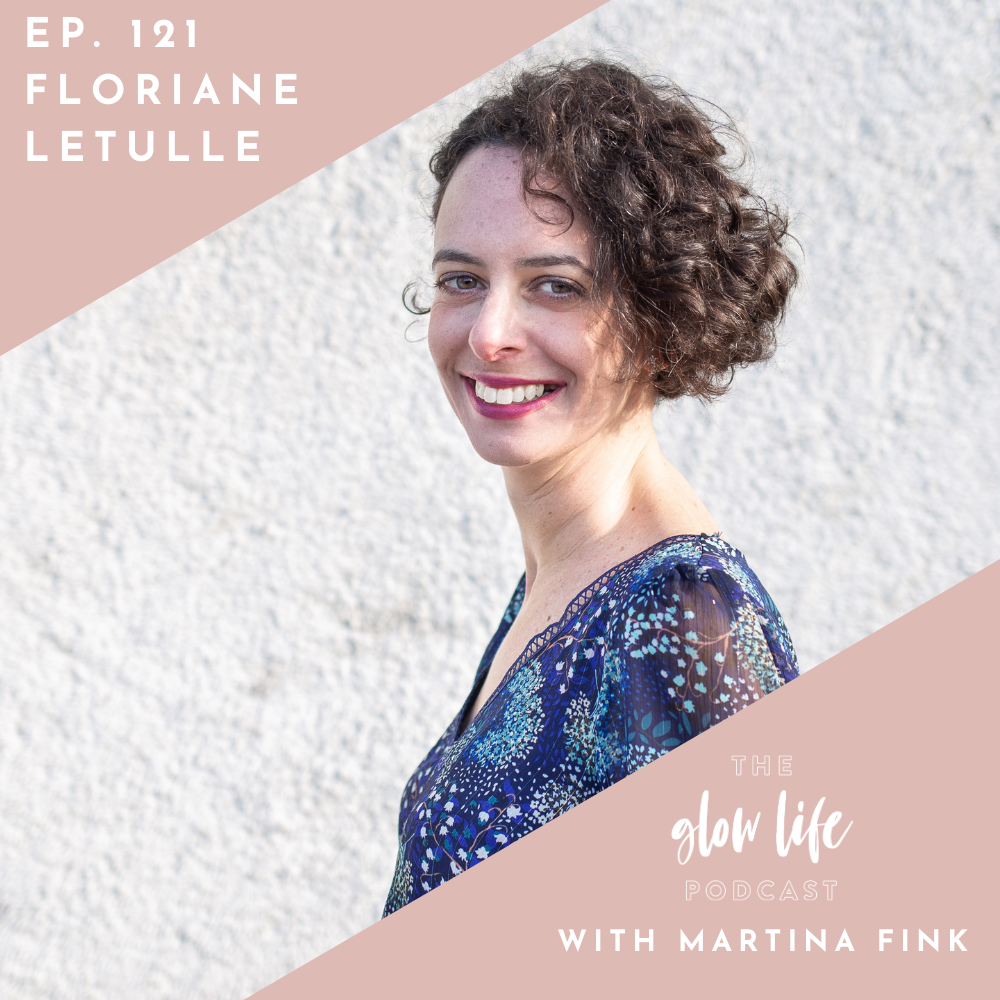
#118 From Refugee To 7-Figure Entrepreneur with Abu Fofanah

 
Podcast Cover.png
 

Abu Fofanah is one of 7 children born in West Africa, whose mom won the refugee lottery during the civil war to go to America and start a new life. While his mom was only making $28k a year, the community supported Abu and his family through their childhood, through school, education, and university.

His career began at just 17 years old when he was given the unique opportunity to work at one of the big four firms: PwC. Abu then spent the next few years living in India, London, Paris, and Milan. During his time abroad, he paved his own path in using his skill in design thinking and data to begin helping local brands as well as big brands like Versace.

Today, Abu Fofanah is a digital strategist and 7-figure entrepreneur, the CEO of a digital marketing agency called House of Fofanah, which has an incredible online program targeted to helping small business owners utilize digital marketing to grow their business, which has helped over 4000 women of color founders begin monetizing their brands.

Abu has worked alongside some of the world’s most recognizable Fortune 100 and 500 companies around the world helping them transform their business. 


IN TODAY’S EPISODE, WE DISCUSS:

  • How he built a meaningful life from refugee to CEO

  • Why your values matter more than money

  • The power of community and lifting each other up

  • How to get started with a new life if your current life no longer aligns with your values

  • Why you should master your time and money and not vice versa

  • The impact of consuming positive media and energy

And so much more!

EPISODE RESOURCES

Download your FREE Perfectionist Self-Care Bundle

CONNECT WITH ABU

instagram.com/abufofanah
abufofanah.com
poweryourlaunch.com

Thank you so much for listening to this episode! I'd love to hear your thoughts in the comments below! If you can think of anyone in your life who could benefit from this episode, please share it with them right now! <3

listen on itunes

FREE BUNDLE

The 3 Steps High Achieving Perfectionists Can Take
For A Healthier Work-Life Balance


These Are The 3 Elements Included In The Perfectionist Self-Care Bundle

01 Where Is Your Self-Care At?

With this quick assessment workbook, you will be able to detect where you're at with your self-care and what your next step is to improve the quality time you spend recharging yourself.

02 Why Is Self-Care Important for Perfectionists? And How Do I Start?

Self-care is key for a healthy work-life balance for high achievers. You work a lot and you're easily stressed, right? Get my top 6 tips to kickstart your self-care without feeling overwhelmed. Shift from "doing" to "being" and find peace in your busy life.

03 Full Body Stress-Release Meditation

Stress and overwhelm isn't jut in the mind. It also shows in your cells, your muscle tension, and your hormones. Relaxation start with releasing stress from the physical body. Take a moment to relax every single part of your body to get grounded again.

SEND IT TO ME!

DISCLAIMER

All material in this episode is provided for your information only and may not be construed as medical advice or instruction. No action or inaction should be taken based solely on the contents of this podcast episode. Instead, readers should consult appropriate health professionals on any matter relating to their health and well-being.

The information and opinions expressed here are believed to be accurate, based on the best judgement available to the speakers, and readers and listeners who fail to consult with appropriate health authorities assume the risk of any injuries. In addition, the information and opinions expressed here do not necessarily reflect the views of every contributor. The Company acknowledges occasional differences in opinion and welcomes the exchange of different viewpoints.